
You wake up, and your knee feels stiff before you even swing your legs out of bed. Maybe it’s your shoulders, or your lower back, aching in that dull, persistent way that makes you dread the stairs. If you’re tired of reaching for painkillers every single day, a warm cup of herbal tea for joint pain might be exactly the gentle, natural relief your body is asking for.
This isn’t about a magic cure. Instead, it’s about real, plant-based compounds that have helped countless people manage soreness and stiffness naturally. Below, you’ll find five specific teas, the science behind each one, and honest answers about how fast they actually work.
The Best Teas for Muscle Pain & Body Aches
Not all teas are created equal when it comes to easing pain. Some target inflammation directly, while others relax tense muscles or improve sleep so your body can repair itself overnight. Below are five of the most effective options for herbal tea for joint pain, each backed by real science.
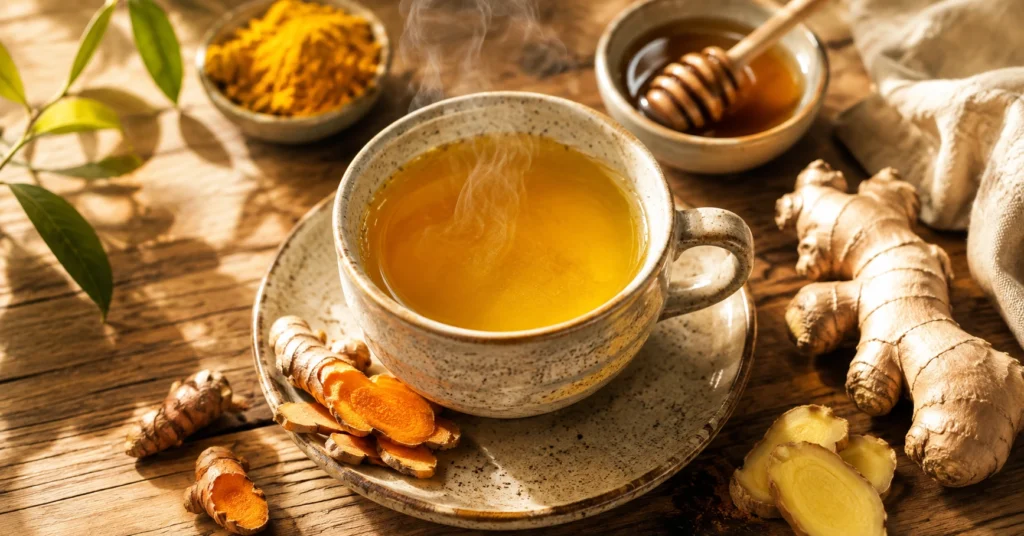
1. Turmeric Ginger Tea
Turmeric owes its power to curcumin, a compound studied extensively for its ability to block inflammatory pathways in the body. Ginger works alongside it, adding its own anti-inflammatory compounds called gingerols. Together, they make one of the most effective combinations you’ll find for tea for pain and inflammation.
People with knee stiffness often notice a difference within a few weeks of drinking this tea daily. It won’t replace medical treatment, but it can meaningfully take the edge off. The turmeric ginger tea health benefits extend beyond joints too, supporting digestion and easing general soreness after activity.
How to make it: Simmer fresh turmeric and ginger slices in water for five minutes, then strain and sip warm.
2. Green Tea
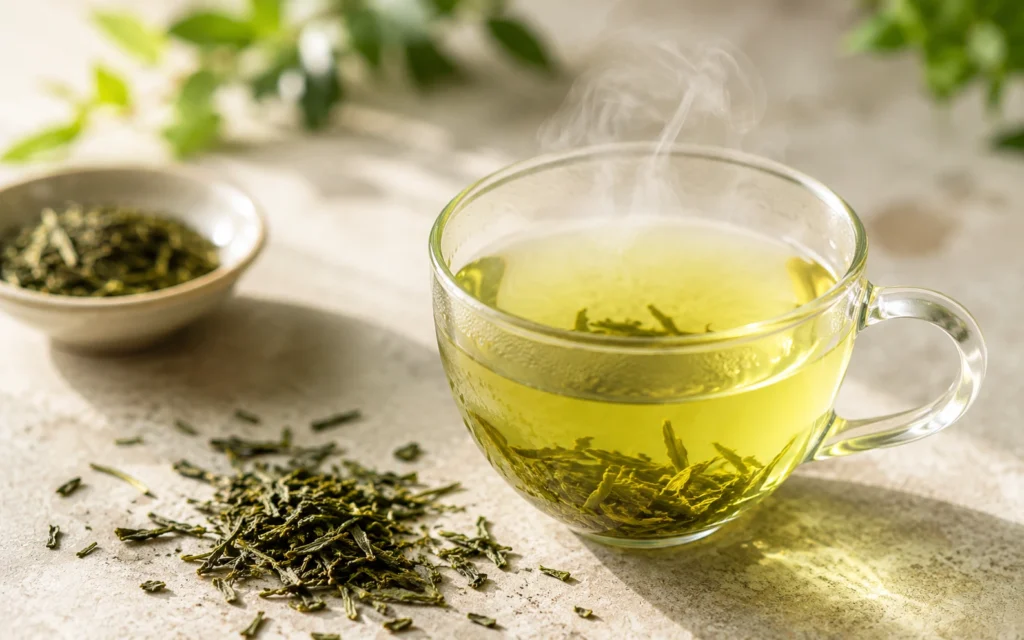
Green tea contains EGCG (epigallocatechin gallate), a powerful antioxidant linked to reduced cartilage breakdown and lower inflammation markers. This makes green tea for joint pain a popular, well-researched choice among people managing arthritis-related discomfort.
Beyond joints, green tea’s antioxidants support overall recovery after physical activity. Two to three cups a day is a reasonable, safe amount for most adults. Just avoid drinking it too late in the day, since it does contain some caffeine.
3. Willow Bark Tea (Nature’s Aspirin)
Willow bark contains salicin, a natural compound your body converts into a substance similar to aspirin. Historically, it’s been used for centuries to ease pain and reduce fever. Today, it remains one of the more direct options for tea for pain relief, particularly for muscle and joint aches.
Because salicin behaves somewhat like aspirin, anyone on blood thinners or with aspirin sensitivities should check with a doctor first. For most healthy adults, though, it’s one of the more reliable choices of herbal tea for joint pain.
4. Chamomile Tea
Chamomile isn’t just for sleep, though that matters more than people realize. Poor sleep actually worsens pain sensitivity over time, so improving your rest can indirectly reduce how much soreness you feel. Chamomile also contains mild anti-inflammatory flavonoids that help relax tense muscles.
Many people find that a cup before bed eases both tea for muscle pain and the restlessness that often comes with it. It’s caffeine-free, gentle, and safe for nightly use.
5. Peppermint Tea
Peppermint contains menthol, which creates a natural cooling sensation that can distract from and soothe surface-level muscle soreness. It’s particularly useful after exercise or a long day on your feet. While it won’t reduce deep inflammation the way turmeric does, it’s excellent for tea for body aches tied to tension and fatigue.
Drink it warm for digestive comfort, or let it cool for a refreshing, muscle-soothing iced version in summer.
How Fast Do Herbal Teas Work for Pain?
Here’s the honest answer: herbal teas aren’t instant painkillers, and anyone promising overnight results isn’t being straight with you. Most people notice mild relief within a few days, especially with chamomile or peppermint’s more immediate, soothing effects. Deeper anti-inflammatory benefits, like those from turmeric or green tea, typically build over two to four weeks of consistent use.
Think of herbal tea for joint pain as a supportive habit, not a substitute for medical care. It works best alongside a healthy diet, regular movement, and good sleep. If your pain is severe, sudden, or worsening, please see a doctor rather than relying on tea alone.
For an easy way to support this routine, check out our for foods that pair well with these teas.
FAQ: What Tea is Good for Pain and Inflammation?
What tea is good for pain and inflammation?
Turmeric ginger tea and green tea are two of the most researched options for pain and inflammation. Turmeric’s curcumin and green tea’s EGCG both target inflammatory pathways in the body. Drinking either consistently, alongside a balanced diet, tends to produce the best results.
What tea is good for muscle and joint pain?
Willow bark tea is often considered nature’s closest alternative to aspirin for muscle and joint pain. Turmeric ginger tea also works well, since it reduces inflammation while remaining gentle on the stomach. Chamomile can help too, especially when pain disrupts sleep.
What tea helps inflammation?
Green tea and turmeric ginger tea are the top choices for reducing inflammation naturally. Both contain well-studied compounds, EGCG and curcumin, that interrupt the body’s inflammatory response. Drinking one to two cups daily is a safe, sustainable habit for most people.
Conclusion
Managing joint pain naturally starts with small, consistent habits, and a daily cup of herbal tea for joint pain relief is one of the easiest to build. Start with turmeric ginger tea or green tea if inflammation is your main concern, or chamomile if poor sleep is making your pain worse. Give it a few weeks, pay attention to how your body responds, and pair it with genuinely anti-inflammatory foods.
Ready to build a full routine? Take a look at our [Internal Link: Anti-Inflammatory Grocery List] to round out your pain-relief plan today.