
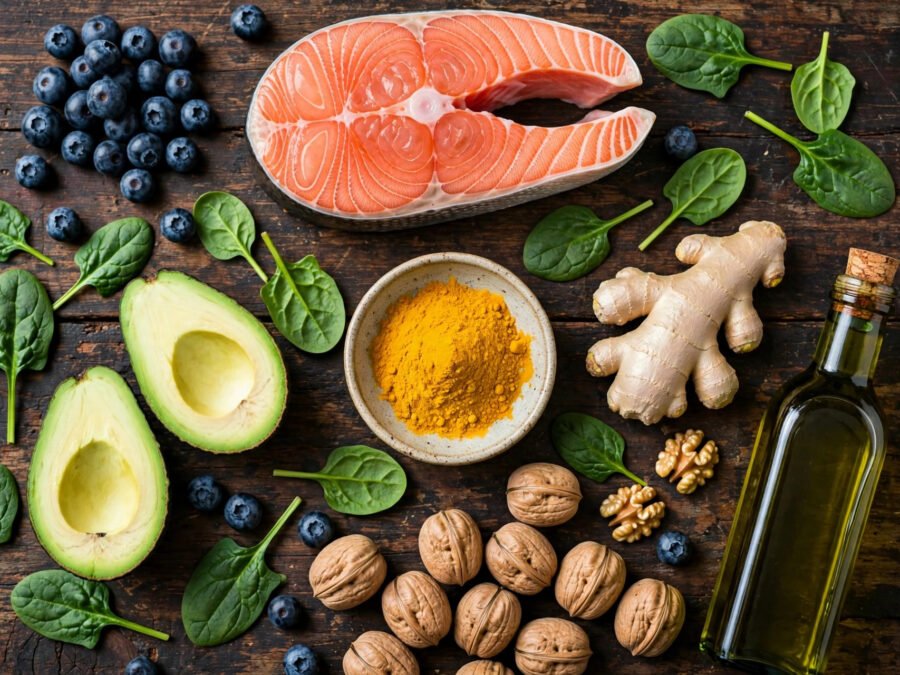
Anti-Inflammatory Foods List: 50+ Foods That Actually Fight Inflammation
Search “foods that fight inflammation” and you’ll drown in contradictory advice. One site says nightshades are the enemy. Another says dairy. A third says just eat blueberries and you’ll be fine. It can be overwhelming.
So this list sticks to what nutrition researchers broadly agree on: the foods with the strongest evidence for supporting a healthy inflammatory response. No miracle claims, no banned food groups, no expensive superfoods you can only buy online — just practical, everyday foods.
Save this page, screenshot the list, stick it on your fridge. This is your cheat sheet.
A Quick Word on Inflammation
Short-term inflammation is good — it’s how your body heals a cut or fights a cold. The problem is chronic, low-grade inflammation: the slow simmer linked to joint pain, stiffness, fatigue, and a host of long-term health issues. Diet won’t single-handedly fix it, but it’s one of the most powerful levers you have. And unlike medication, there are no side effects to eating more berries.
Quick note: This list reflects broadly accepted nutrition guidance and is written for general information — it’s not a substitute for personalized advice from a dietitian. If you have arthritis, an autoimmune condition, or take medication, loop in your doctor or a registered dietitian for guidance tailored to you.
The Anti-Inflammatory Foods List
Fruits (especially berries & cherries)
- Blueberries
- Strawberries
- Raspberries
- Blackberries
- Tart cherries (and tart cherry juice)
- Oranges
- Pineapple (contains bromelain)
- Apples
- Grapes (especially red/purple)
- Avocados
Why they work: Berries and cherries are loaded with anthocyanins — the pigments behind their rich colors and much of their inflammation-calming power.
Vegetables & Leafy Greens
- Spinach
- Kale
- Broccoli
- Brussels sprouts
- Cauliflower
- Beets
- Sweet potatoes
- Bell peppers
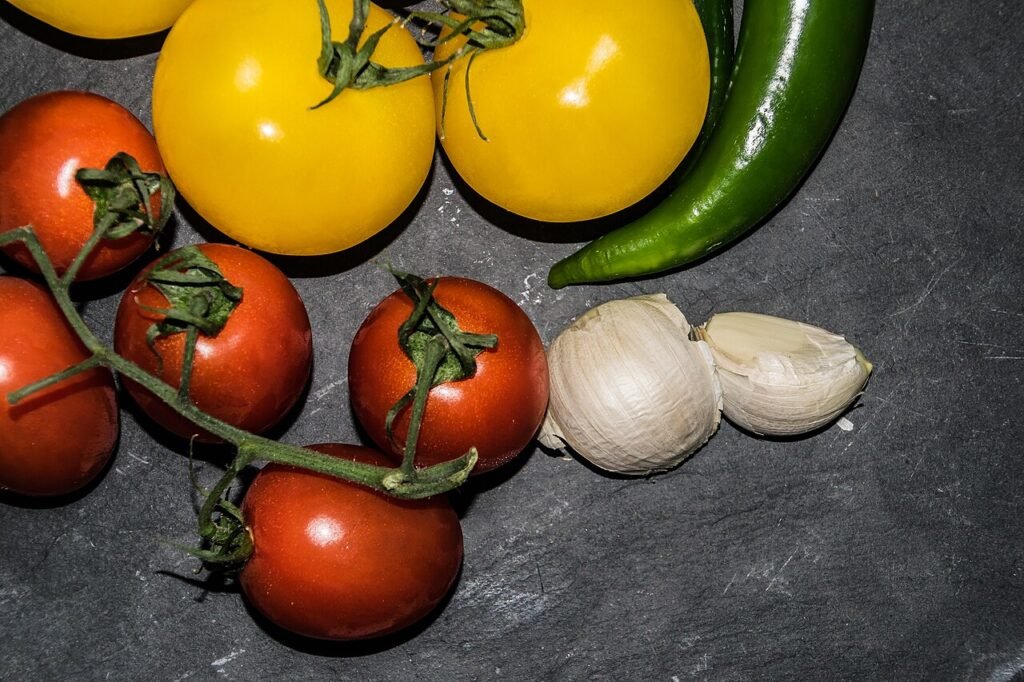
- Tomatoes
- Carrots
Why they work: Cruciferous veggies (broccoli, kale, Brussels sprouts) contain sulforaphane; leafy greens deliver vitamin K and antioxidants. Eat the rainbow — different colors mean different protective compounds.
Healthy Fats
- Extra virgin olive oil
- Avocado oil
- Almonds
- Walnuts
- Chia seeds
- Flaxseeds (ground)
- Hemp seeds
- Pumpkin seeds
Why they work: Olive oil contains oleocanthal, a compound with ibuprofen-like properties (in much gentler doses, obviously). Nuts and seeds supply omega-3s and vitamin E.
Fatty Fish & Protein
- Salmon
- Sardines
- Mackerel
- Anchovies
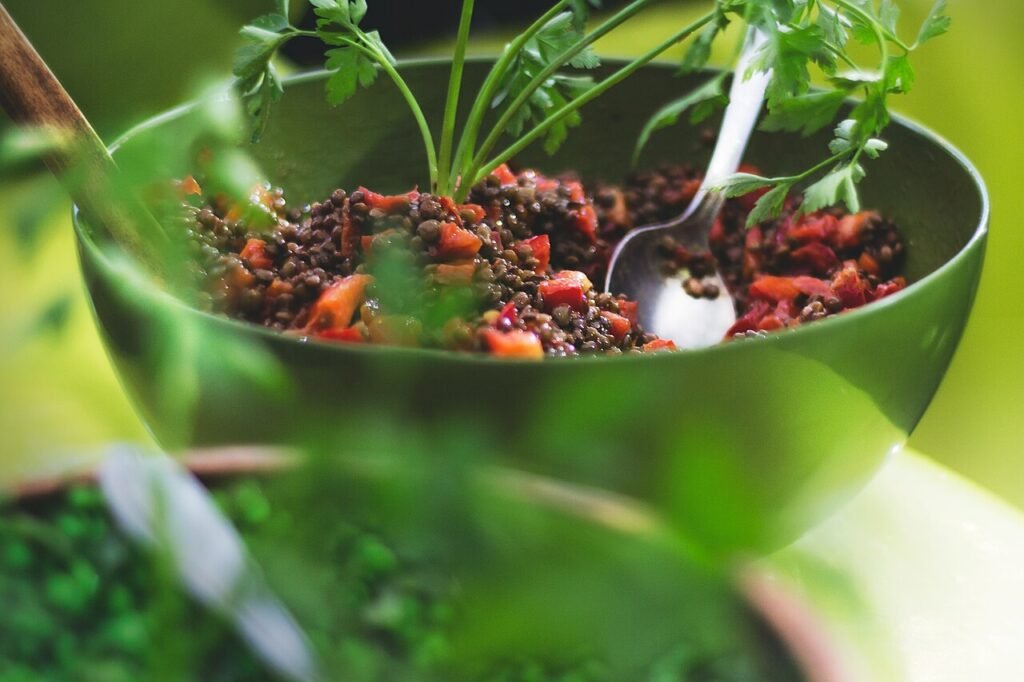
- Lentils
- Chickpeas
- Black beans
- Quinoa
Why they work: Fatty fish are the best dietary source of EPA and DHA omega-3s — the most directly anti-inflammatory fats we know. Aim for 2 servings a week. Legumes add fiber, which feeds the gut bacteria that help regulate inflammation.
Herbs, Spices & Teas
- Turmeric (+ black pepper for absorption)
- Fresh ginger
- Garlic
- Cinnamon
- Green tea
- Chamomile tea
- Rosemary
- Cayenne pepper
Why they work: This is the highest-impact-per-teaspoon category in your kitchen. Turmeric’s curcumin and ginger’s gingerols are among the most studied plant compounds for inflammation.
Whole Grains & Fermented Foods
- Oats
- Brown rice
- Yogurt (plain, with live cultures)
- Kefir
- Kimchi
- Sauerkraut (unpasteurized)
- Miso
- Dark chocolate (70%+ cacao)
Why they work: Fermented foods support a healthy gut microbiome, which plays a huge role in regulating inflammation. Whole grains and fiber feed those good bacteria.
Foods That Cause Inflammation (The “Eat Less” List)

It’s not just about what you add — what you crowd out matters too. These are the biggest inflammation promoters in a modern diet:
- Ultra-processed snacks — chips, candy, packaged pastries
- Sugary drinks — soda, sweetened juices, energy drinks
- Processed meats — bacon, sausage, hot dogs, deli meats
- Refined carbs — white bread, pastries, sugary cereals
- Deep-fried foods — french fries, fried chicken
- Excess alcohol — a glass of wine is different from a habit
- Artificial trans fats — mostly phased out, but check labels on cheap baked goods
You don’t need to be perfect. The goal is a ratio shift: more foods from the first list, fewer from this one. An 80/20 approach beats a strict diet you abandon in two weeks — every single time.
How to Actually Use This List (Without Overhauling Your Life)
This week, pick three swaps:
- Breakfast: Add berries to whatever you already eat — oatmeal, yogurt, or a smoothie.
- Cooking fat: Switch to extra virgin olive oil for dressings and low-heat cooking.
- One drink: Replace one daily soda or sugary coffee with green tea or ginger tea.
Next week, add three more:
- Spice everything: Turmeric in rice, cinnamon in oatmeal, ginger in stir-fries.
- Fish twice: Even canned sardines or salmon count — they’re cheap and excellent.
- Snack smart: Walnuts, almonds, or dark chocolate instead of chips.
Small, boring, consistent changes. That’s the whole secret. Six months of “pretty good” beats two weeks of perfect.
Frequently Asked Questions
What is the single best anti-inflammatory food?
If forced to pick one: fatty fish like salmon, for the omega-3s. But no single food does the job alone — it’s the overall pattern that matters.
How long does it take for an anti-inflammatory diet to work?
Some people report noticing changes in joint stiffness and energy within 3–6 weeks of consistent eating, though this varies widely from person to person. It’s gradual, not overnight.
Are eggs inflammatory?
For most people, no. Eggs are nutrient-dense and fine in moderation as part of a balanced diet. The “eggs cause inflammation” claim is largely overblown.
What about nightshades (tomatoes, peppers, potatoes)?
Nightshades contain solanine, which some people with arthritis say bothers them. But for most people, they’re nutritious and anti-inflammatory. If you suspect sensitivity, try eliminating them for 2–3 weeks and see how you feel — personal experiment beats internet dogma.
Can diet replace my arthritis medication?
No — and please don’t stop prescribed medication because of a blog post. Diet is a powerful complement to medical treatment, not a replacement. Always work with your doctor.
Ready to cook? Start with these 10 easy anti-inflammatory breakfast ideas or wind down with one of the 5 best anti-inflammatory teas before bed.
2 Comments