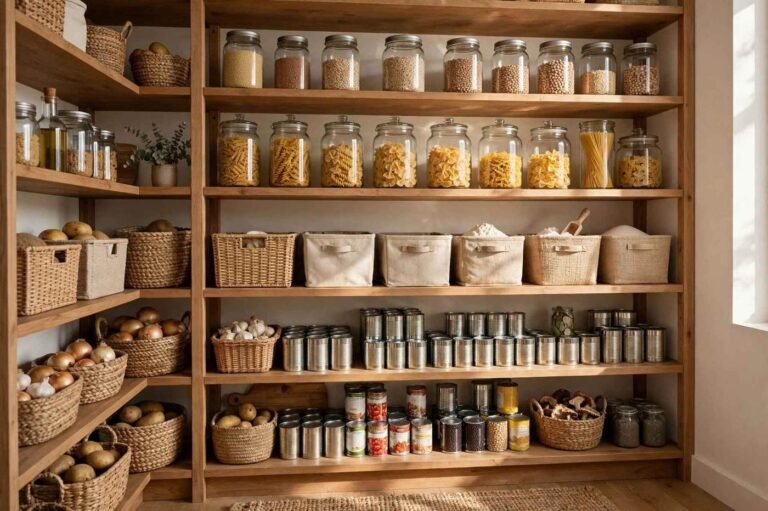

12 Spice Organization Ideas That Keep Spices Fresh (Not Just Tidy)
These spice organization ideas are for real cooks — the kind whose paprika lives in three different places, whose cumin hides behind the baking powder, and whose prettiest spice rack sits right next to the stove, slowly losing its flavour. A tidy spice collection looks good in a photo. A fresh one tastes good in dinner. This guide is about the second kind.
The ideas below are ordered the way a real reset goes: purge first, then group, then store — and finally, keep it that way with a small habit that takes minutes. They work in big kitchens and single drawers alike, and none of them require buying a matching set of anything before you start.
Why Spice Organization Is Really About Freshness
Spices lose their punch gradually, not all at once. Heat, steam, light, and air wear them down, so a jar stored above the stove or beside a steaming pot fades faster than the same spice kept cool and dark. That is why the prettiest spot in the kitchen is often the worst one for spices — and why organizing them is worth doing for flavour, not just for looks.
A good system also saves money in a quiet way. When every spice has one visible home, you stop buying a second jar of something you already own, and you stop reaching past the good stuff to use the faded jar at the front. Freshness first, tidiness second — the tidy part follows on its own.
12 Spice Organization Ideas That Keep Spices Fresh
1. Purge With a Smell and Crush Test
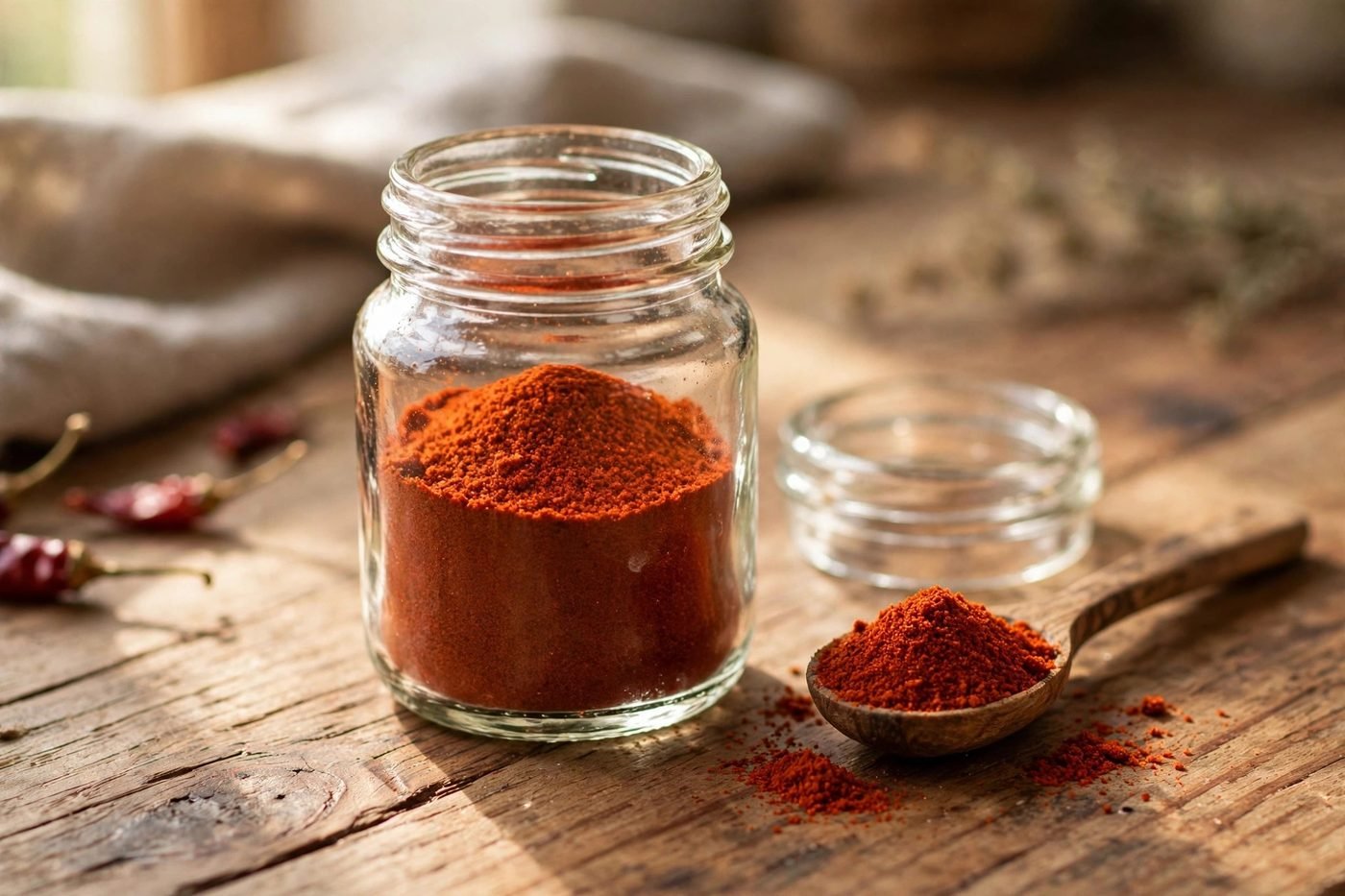
Start by pulling every spice out and testing it, not by checking dates alone. Open a jar, crush a pinch between your fingers, and smell it. If the aroma is strong and true to the spice, it stays. If it smells faint, dusty, or like almost nothing, it goes — no matter how full the jar is. A faded spice does not ruin a dish, but it does not lift one either, and it takes up the space a fresh jar needs.
2. Group by How You Cook, Not by Alphabet
Alphabetical order looks logical and cooks terribly. Nobody reaches for spices in alphabetical order; they reach for them by dish. Build groups around real cooking instead: everyday cooking (salt, black pepper, cumin, paprika, garlic powder), baking (cinnamon, nutmeg, ginger, cardamom), and heat (chili flakes, cayenne, dried chilies). When a group matches a meal you actually make, the right jar is in your hand in seconds — and it goes back to the same place without thinking.

3. Move Spices Away From Heat and Steam
This is the single biggest freshness win, and it costs nothing. Spices stored above the stove, beside the oven, or next to the kettle sit in waves of heat and steam every day. Move them to the coolest, darkest spot you have — a drawer, a cabinet away from the cooker, or a shelf that never catches direct sun. A spice rack that looks tidy above the hob is quietly working against every jar on it.
4. Pick Drawer, Cabinet, Door, or Pull-Out by Your Kitchen
There is no one best home for spices — there is a best home for your kitchen. A deep drawer keeps jars cool, dark, and easy to scan from above. A cabinet shelf works well with a small riser so the back row stays visible. A door rack suits narrow kitchens where shelf space is precious. A pull-out rack fits tall, narrow gaps beside the cooker (kept away from the heat side). Choose the spot that fits your space and your habits, not the one in the photo.
5. Use Matching Jars Only Where They Earn It
Matching jars make a collection look calm and make levels easy to see at a glance. They earn their place for the spices you use weekly. For the rarely used ones — the specialty blends, the holiday baking spices — the original jar is fine. Decanting everything is a weekend project that becomes a chore; decanting the heavy-rotation spices is a system that lasts.
6. Label Every Jar With Its Name and Purchase Date
A label with the spice name is the minimum. Add the month you bought or refilled it, and the jar starts telling you something useful: which jars to use first, which ones to test at the next purge, and which ones you keep buying without finishing. Date labels turn a pretty collection into a working one, and they take seconds with a pen and a sticker.
7. Put Lids on Top When Jars Live in a Drawer
Drawer storage is wonderful for freshness and terrible for identification — until you label the lids. A name on each lid means the whole drawer reads at a glance, with no lifting and sniffing of jars to find the cumin. Line jars in your cooking-use groups, lids up, and the drawer becomes the fastest spice station in the kitchen.
8. Give Every Spice Exactly One Home
Spices multiply into chaos when they have two or three homes: a few jars in the drawer, a few on the counter, a bag of extras in a high cabinet. Pick one home per spice and move the strays there. The everyday group lives in the prime spot; everything else lives in its group. One home means one place to look, one place to return to, and no more triple paprika.
9. Buy Small and Refill Often
A giant jar bought on sale feels like a bargain until it sits fading for years. For most home cooks, small jars refilled more often beat bulk jars that linger. Buy the size you will actually finish while it still smells strong, and keep the refill habit tied to the weekly shop — when a jar runs low, it goes on the grocery list like any other staple.
10. Keep Backstock Somewhere Else
Backstock is the quiet enemy of a working spice station. Extra bags and refill pouches crowd the everyday jars, hide the ones you need, and get forgotten. Keep the working supply in your spice home and the extras in a separate spot — a high shelf, a box in the pantry, or a pantry zone of their own. When a jar runs low, refill from backstock instead of letting bulk bags take over the drawer.
11. Practice First In, First Out
When a fresh refill arrives, it goes behind the jar already in use, not in front of it. That way the older spice gets used first and nothing sits fading at the back. It takes two seconds at put-away time, and it pairs naturally with the date labels from idea 6: the oldest date is always the one you reach for first.
12. Run a Monthly Smell-Check Round
Freshness is not a one-time project; it is a tiny habit. Once a month — the first shop of the month is a natural moment — open the everyday jars, crush and smell the ones you have not used lately, and toss what has faded. Five minutes, once a month, keeps the whole collection honest. A spice station that smells strong is a spice station that is working.
Small Kitchen or Renter? Start Here

Small kitchens do not need a different system — they need a stricter one. Pick one home only: a single drawer, one door rack, or one small shelf. Keep the everyday group there and move everything else to backstock. Renters can skip drilling entirely: a no-drill door rack, a drawer insert, or a small pull-out that sits inside a cabinet all work without a single screw. A tight spice station with only the spices you actually cook with beats a sprawling rack of faded jars every time.
5 Spice Mistakes to Avoid
- Storing spices above the stove. Heat and steam fade flavour faster than time does. Cool and dark beats convenient and hot.
- Keeping faded spices “just in case.” A jar with no aroma adds nothing to a dish and blocks the space a fresh jar needs.
- Sorting alphabetically instead of by cooking use. Alphabetical looks neat and cooks slowly; groups built around real meals get used.
- Buying bulk jars you will not finish. Small jars, refilled often, stay stronger than big jars that linger.
- Letting backstock crowd the everyday jars. Extras belong in a separate spot, not mixed in with the spices you reach for daily.
How Spice Organization Connects to Easier Cooking
Once spices are grouped by cooking use and stored away from heat, weeknight cooking gets simpler. The everyday group is in one place, the baking group is together, and nothing is hiding behind a faded jar. That is why spice systems pair so well with meal prep routines and a weekly grocery list: the spice station stops being a hunt and starts being the first step of cooking.
Frequently Asked Questions
How can I tell if a spice has gone stale without a date on the jar?
Crush a pinch between your fingers and smell it. A fresh spice smells strong and true to itself; a faded one smells faint or dusty. Colour can help too — a spice that has lost its vivid colour has usually lost flavour with it.
Where is the best place to store spices?
Somewhere cool, dark, and dry, away from the stove, oven, and kettle. A drawer or a cabinet away from heat beats a countertop rack in sunlight or a rack above the hob, however tidy those spots look.
Is a spice drawer better than a spice rack?
It depends on your kitchen. A drawer keeps jars cool and dark and is easy to scan with labeled lids. A rack works well when drawer space is short, as long as it sits away from heat and light. Pick the one your kitchen and habits support.
How many spices should I keep on hand?
As many as you actually cook with. A working everyday group of ten or so spices, plus a baking group and a heat group, covers most home cooking. Anything you have not reached for in months belongs in backstock — or out the door at the next smell-check.
The Bottom Line
The best spice organization ideas are the ones that protect flavour: purge with a smell test, group by how you cook, keep jars away from heat and steam, label with name and date, and run a monthly smell-check. Start with one drawer today, and the rest of your cooking gets tastier from there.