
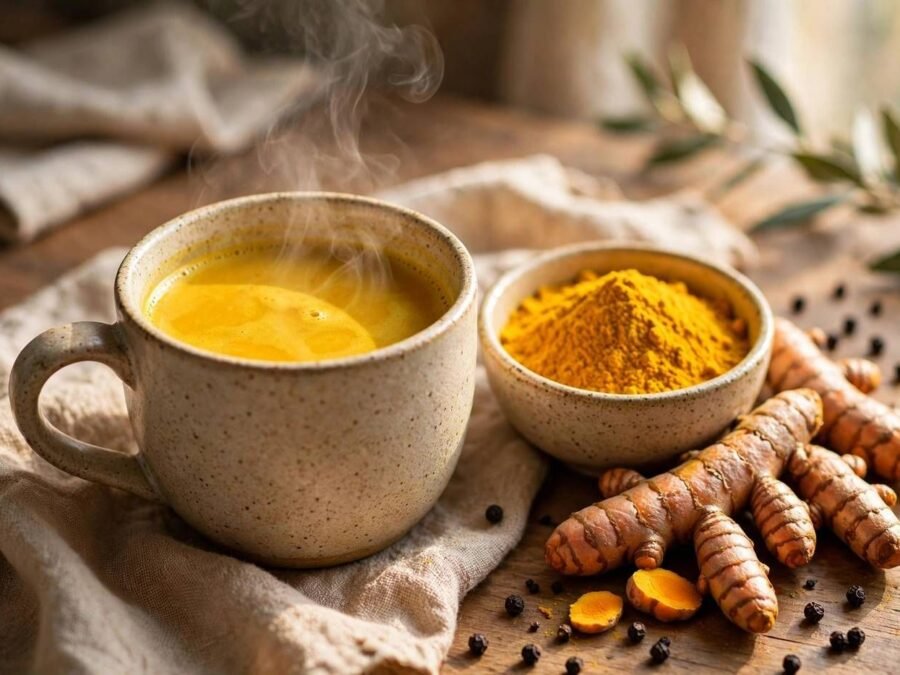
What actually happens when you start drinking turmeric tea every day? Not the hype-version with miraculous day-by-day transformations — the honest version, grounded in what researchers know about turmeric and what daily rituals really do. If you have already met turmeric in our turmeric tea recipe, this is the deeper question: what changes when that golden cup becomes a 30-day habit? Here are seven things that may happen — including the black-pepper trick that changes everything and the one honest caveat about tea vs. supplements.
Why “Every Day” Matters More Than the Dose
Turmeric’s active compounds, curcuminoids (chiefly curcumin), are famously poorly absorbed — the National Center for Complementary and Integrative Health (NCCIH) notes that bioavailability is one of the biggest challenges in turmeric research. A single heroic mug does little; a small, consistent, well-prepared daily cup gives those compounds their best shot at accumulating gentle effects. Think of it like exercise: the 30th session matters because of the first 29.
That framing also keeps expectations honest. Most dramatic turmeric findings come from concentrated supplements in clinical trials — not from brewed tea. A daily cup is a wellness habit, not a drug. With that lens, here is what 30 days may realistically bring.
7 Things That May Happen After 30 Days of Turmeric Tea
1. Your mornings gain a steadier anchor
The first change is behavioral, and it is real. A warm, intentional cup before the day’s chaos — brewed slowly, sipped without a screen — steadies mornings the way any mindful ritual does. Many daily drinkers report that the habit itself, more than the herb, is what they would miss. Hydration plus routine is an underrated health intervention.
2. Digestion may feel calmer after meals
Turmeric has a long traditional history for indigestion and abdominal discomfort, and modern research notes it may stimulate bile production, which helps break down fats. A cup after lunch or dinner is the traditional slot — and if heavy meals usually leave you sluggish, this is the gentlest experiment on the list. For dedicated digestive support, our ginger for nausea guide is the stronger pick.
3. You discover the black-pepper trick (and it actually matters)
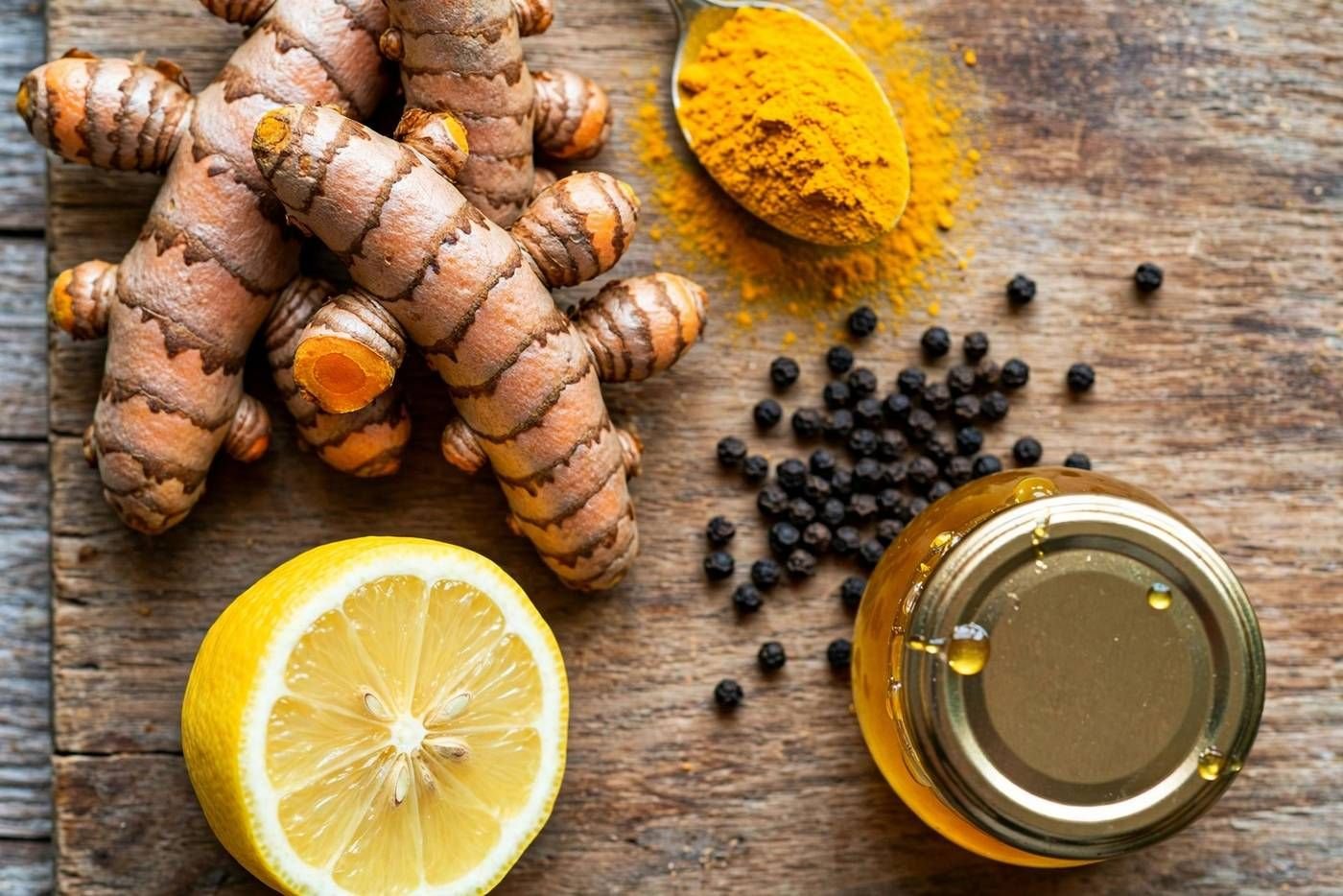
Here is the single most useful fact in this article: piperine, the compound in black pepper, significantly improves curcumin absorption — the NCCIH confirms that combining curcumin with piperine is a recognized way to improve bioavailability. A tiny pinch of black pepper in your daily brew is the difference between turmeric-flavored water and a genuinely functional cup. Add a little fat too (a splash of milk or coconut milk) — curcumin is fat-soluble.
4. Stiff joints may feel the difference over weeks
Several meta-analyses of oral turmeric/curcumin have found initial positive evidence for knee osteoarthritis symptoms — pain, stiffness, and mobility — though higher-quality research is still needed, per the NCCIH. Crucially, those trials used concentrated doses, not tea. Still, if creaky mornings are your reality, a well-made daily cup with black pepper is a reasonable, low-cost companion to whatever your doctor recommends — never a replacement.
5. You learn the honest tea-vs-supplement distinction
Around week two or three, informed drinkers hit the key insight: culinary turmeric contains only about 3% curcumin by weight, while trials use concentrated extracts. Your daily tea delivers a fraction of a supplement’s dose — which is exactly why it is gentle enough for daily food use, and exactly why you should not expect drug-like effects. Anyone promising otherwise is selling something.
6. Your skin gets quiet antioxidant support
Curcumin is a genuine antioxidant, and oxidative stress plays a role in skin aging. No tea will remodel your skin in 30 days — but a daily antioxidant-rich, hydrating habit supports skin from within better than the sugary drinks it replaces. Pair it with our warm lemon water comparison if mornings are your skincare-from-within slot.

7. You notice what doesn’t change — and that’s valuable too
Thirty days in, honest drinkers notice turmeric tea is not a weight-loss miracle, not an instant anti-inflammatory drug, and not a substitute for sleep, movement, or medical care. What it is: a warm, affordable, delicious daily ritual with plausible gentle benefits and an excellent safety profile in food amounts. That clear-eyed verdict is worth more than any hype timeline — it is a habit you can keep for years, which is where the real compounding happens.
How to Brew the Daily Cup (the Right Way)
Everyday Golden Turmeric Tea
Prep: 3 min | Simmer: 10 min | Servings: 2 cups | Daily amount: 1–2 cups
Ingredients:
- 1 teaspoon ground turmeric (or 3–4 thin slices fresh turmeric root)
- 2 cups water
- A generous pinch of black pepper (the absorption trick — don’t skip it)
- 1 cinnamon stick or ¼ teaspoon cinnamon (optional)
- Juice of ½ lemon and 1 teaspoon honey, to taste
- Splash of milk or coconut milk (optional, aids absorption)
Steps:
- Add turmeric, black pepper, and cinnamon to the water in a small saucepan.
- Bring to a gentle boil, then simmer 10 minutes — simmering extracts far more curcumin than a quick steep.
- Remove from heat, strain into mugs, and stir in lemon, honey, and milk if using.
- Drink 1–2 cups daily — morning or after dinner both work.
Make-ahead: Brew a double batch, refrigerate up to 3 days, and reheat gently. Consistency beats freshness theater.

Turmeric Tea vs. Turmeric Supplements: Which Do You Need?
Tea is food: gentle, enjoyable, sustainable daily, with modest curcumin per cup. Supplements are concentrated extracts — the form most clinical trials actually test — delivering far higher curcumin doses. That concentration cuts both ways: the NCCIH warns that liver injury has been reported with some highly bioavailable curcumin formulations. So the rule of thumb: drink the tea daily without worry (in normal food amounts); consider supplements only with a doctor’s guidance, especially if you take medications or have liver concerns. Start with the cup — it is the safer, pleasanter default.
Safety First: The Honest Fine Print
- Food amounts are the safe zone. The NCCIH considers conventionally formulated turmeric likely safe in recommended amounts for up to 2–3 months; culinary daily use has centuries of precedent.
- High amounts can irritate: nausea, acid reflux, stomach upset, or diarrhea — ease off if your stomach complains.
- Blood thinners and diabetes medications: turmeric can interact — talk to your doctor first.
- Gallbladder issues: turmeric stimulates bile; skip it if you have gallstones or bile-duct obstruction.
- Pregnancy: culinary turmeric in food is fine, but turmeric supplements may be unsafe in pregnancy — stick to the tea, and check with your doctor.
- Surgery: stop turmeric supplements (and tell your surgeon about heavy tea use) at least 2 weeks before.
- Kidney stones: turmeric is moderately high in oxalates — heavy daily use deserves caution if you are stone-prone.
Read the NCCIH’s full turmeric usefulness and safety review for the complete picture.
FAQs About Drinking Turmeric Tea Every Day
Is it safe to drink turmeric tea every day?
In normal food amounts (1–2 cups), yes for most people — turmeric has centuries of culinary use. Keep it as tea, not megadose supplements, and check with your doctor if you take medications.
How long until I notice benefits?
There is no proven timeline — beware anyone selling you “day 7” miracles. Give any gentle habit 3–4 consistent weeks before judging, and judge the ritual’s overall effect on your days, not a single symptom.
Why add black pepper to turmeric tea?
Piperine in black pepper significantly improves curcumin absorption — without it, most curcumin passes through unabsorbed. A pinch is enough.
Can I drink turmeric tea at night?
Yes — it is caffeine-free. Some people find the warm ritual helps them wind down; others prefer it after dinner for digestion.
Will turmeric tea help me lose weight?
Honestly: no tea melts fat on its own. As a zero-sugar replacement for caloric drinks, plus a small metabolic nudge, it can support a weight plan — see our anti-inflammatory breakfast ideas for the bigger picture.
Keep the golden habit going: our classic turmeric tea recipe for the single perfect cup, cinnamon tea as a flavor partner, and ginger for nausea when your stomach needs the stronger herb.
If you enjoy a sweeter, four-ingredient version, try our turmeric ginger lemon honey tea for a soothing daily cup.