

If you have heard that cinnamon tea for blood sugar might be worth trying, you are not alone — this is one of the most searched questions about cinnamon today. The short, honest answer: some small studies suggest cinnamon may help support healthy blood sugar levels, but the evidence is early, the effects appear modest, and cinnamon tea is absolutely not a treatment for diabetes or a replacement for medication.
In this guide, we will look at what research actually says about cinnamon tea and blood sugar (in gentle, plain language), share a simple cinnamon tea recipe, cover a few other traditional benefits, explain the important ceylon vs cassia cinnamon difference, and spell out who should talk to their doctor first.
How Cinnamon May Support Healthy Blood Sugar
Cinnamon has been studied more than most kitchen spices, and blood sugar is the area with the most — though still limited — research. Here is what the science suggests so far, framed carefully:
- It may act a little like insulin. Compounds in cinnamon appear to behave somewhat similarly to insulin, the hormone that moves sugar from your bloodstream into your tissues.
- It may improve insulin sensitivity. Some research suggests cinnamon compounds may lower insulin resistance, helping your body’s own insulin work more effectively.
- It may slow carb digestion. Cinnamon may slow the breakdown of carbohydrates in the gut, which could help prevent sharp blood sugar spikes after meals.
An important reality check: most studies used concentrated cinnamon doses (roughly 120 mg to 6 grams of powder daily), and there is only early evidence that a simple brewed tea offers the same effects. Reviews of cinnamon tea specifically note that more research is needed. Think of cinnamon tea as a pleasant, possibly-helpful addition to an already healthy routine — balanced meals, movement, sleep — never as a therapy on its own. For more on building that routine, see our anti-inflammatory breakfast ideas.
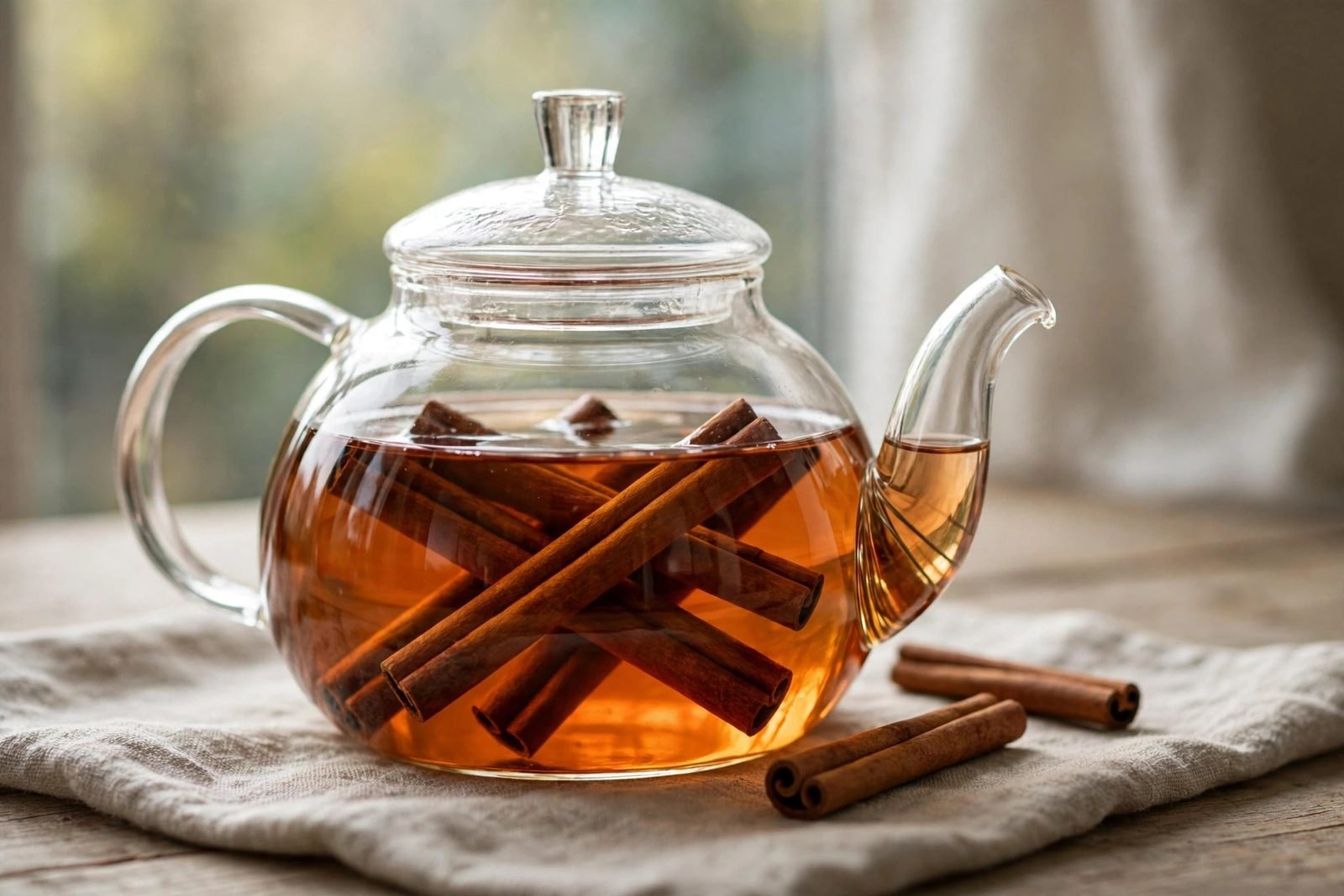
Simple Cinnamon Tea Recipe
Wondering about a basic cinnamon tea recipe? It could not be simpler.
Simple Cinnamon Tea
Prep time: 2 minutes | Brew time: 10–15 minutes | Total time: ~15 minutes | Servings: 1 cup
Ingredients
- 1 cinnamon stick (preferably Ceylon — see why below), or 1 teaspoon ground cinnamon
- 1 cup (240 ml) filtered water
- 1 teaspoon honey (optional; skip it if you are watching sugar closely)
Instructions
- Bring the water to a boil.
- Add the cinnamon stick, reduce heat, and simmer gently for 2 minutes.
- Remove from heat, cover, and steep for 10–15 minutes. (If using ground cinnamon, simply stir it into just-boiled water and steep 10 minutes, then strain.)
- Strain into a mug. Add honey only if you like — the tea is naturally sweet-spicy on its own.
Tip: Cinnamon tea is naturally caffeine-free, so it works morning or night. Some people enjoy a cup with a meal, which is also when any blood-sugar-related interest is most relevant.
5 Other Gentle Benefits of Cinnamon Tea
Beyond the blood sugar conversation, cinnamon tea is traditionally enjoyed for several other reasons — again, with soft claims and honest framing:
1. Packed with antioxidants
Cinnamon is particularly rich in polyphenol antioxidants — in one comparison of 26 spices, it was outranked only by cloves and oregano. Antioxidants help your body manage everyday oxidative stress from free radicals.
2. May support heart comfort
Lab and small human studies suggest cinnamon’s compounds may help calm inflammation and support healthy cholesterol and blood pressure levels in some people. The research is early, but it is one more reason this spice keeps showing up in wellness routines.
3. Traditionally used for menstrual comfort
In one well-controlled study, women who took cinnamon during the first days of their cycle reported less menstrual pain than those given a placebo. A warm cup of cinnamon tea is a cozy, traditional-feeling way to explore this — though it is no substitute for proper care if cramps are severe.
4. May freshen breath and support oral freshness
Cinnamon’s natural antibacterial qualities have been observed in lab studies, and its warm scent is a classic breath-freshener. A cup after meals is a pleasant ritual — similar in spirit to our peppermint tea guide.
5. A soothing, caffeine-free evening drink
Like turmeric tea and chamomile tea, cinnamon tea contains no caffeine, so it fits easily into a wind-down routine without disturbing sleep.

Ceylon vs Cassia Cinnamon: Why It Matters
Not all cinnamon is the same, and this matters more than most people realize:
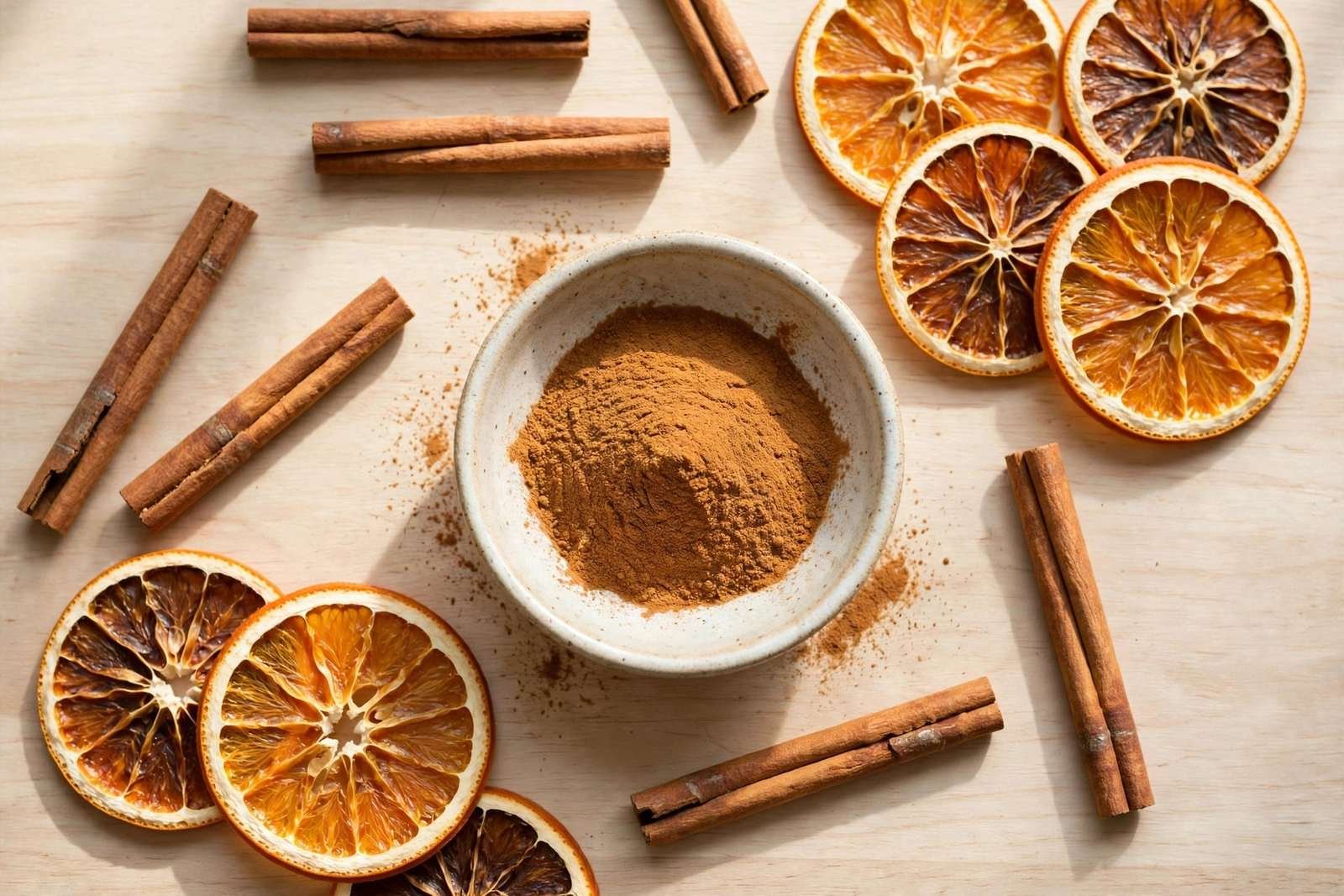
- Ceylon cinnamon (“true cinnamon”) is lighter in color, more delicate in flavor, and — importantly — very low in coumarin, a natural compound that can stress the liver and increase bleeding risk when consumed in excess.
- Cassia cinnamon is the darker, bolder, cheaper variety sold in most supermarkets — and it can contain up to 63 times more coumarin than Ceylon.
If you plan to drink cinnamon tea regularly, choosing Ceylon cinnamon is the safer everyday pick. Cassia is fine for occasional baking, but daily cassia tea means daily coumarin. Look for sticks or powder clearly labeled “Ceylon” or “true cinnamon” from a reputable spice seller.
Who Should Be Careful With Cinnamon Tea?
Cinnamon tea is a mild beverage, but a few groups should check with a healthcare provider first:
- People on diabetes medication: Because cinnamon may nudge blood sugar downward, combining it with blood-sugar-lowering drugs could push levels too low. Health experts advise consulting your healthcare provider before adding cinnamon tea to your routine if you take such medication.
- People on blood thinners: Cassia cinnamon’s coumarin content may increase bleeding risk. This is another reason to prefer Ceylon and to mention the habit to your doctor.
- People with liver concerns: Excess coumarin may reduce liver function, so those with liver disease should be cautious, especially with cassia.
- Pregnant women: Culinary amounts are generally fine, but large or medicinal amounts of cinnamon are not well studied in pregnancy — check with your provider.
- Before surgery: As with other herbs that can affect clotting, mention regular cinnamon use to your surgical team.
For a deeper, reference-backed overview of cinnamon tea’s studied benefits and cautions, see Healthline’s guide to cinnamon tea benefits.
Please read this carefully: Cinnamon tea is not a diabetes treatment and must never replace prescribed medication, insulin, or your doctor’s guidance. If you have diabetes or pre-diabetes, any new habit — even a humble cup of tea — deserves a conversation with your healthcare provider first. Never adjust medication based on something you read on a food blog, including this one.
Cinnamon Tea for Blood Sugar: FAQs
Does cinnamon tea lower blood sugar?
Some small studies suggest cinnamon may help support healthy blood sugar levels, possibly by improving insulin sensitivity and slowing carb digestion. But the evidence is early, effects appear modest, and most studies used concentrated doses — not tea. It is best viewed as a possibly-helpful habit, not a remedy.
How much cinnamon tea can I drink daily?
One to two cups a day is a common, moderate amount. If you drink it daily, choose Ceylon cinnamon to keep coumarin intake low, and talk to your doctor if you take any regular medication.
Is Ceylon or cassia cinnamon better for tea?
Ceylon, for regular drinking. It has a more delicate flavor and far less coumarin. Cassia is fine occasionally, but its high coumarin content makes it a poor choice for a daily habit.
Can cinnamon tea replace my diabetes medication?
No — absolutely not. Cinnamon tea is a beverage, not a treatment. Never stop or change prescribed medication without your doctor’s explicit direction.
When is the best time to drink cinnamon tea?
Many people enjoy it with or after a meal. It is caffeine-free, so evening cups will not disturb sleep — you might pair it with other calming options from our fenugreek water and herbal tea guides.
Does cinnamon tea help with weight loss?
Cinnamon tea is sometimes promoted for weight loss, but the evidence is weak and mostly tied to large doses in studies that did not control well for diet. Enjoy it for its flavor and warmth rather than expecting it to change your weight.
The Bottom Line
Cinnamon tea for blood sugar is an intriguing idea with some early science behind it — but “intriguing” is the right word, not “proven.” Brewed gently from Ceylon cinnamon, it is a delicious, caffeine-free, antioxidant-rich drink that may offer gentle metabolic support as part of a healthy lifestyle. Keep expectations honest, choose the right cinnamon, skip the honey if sugar is your concern, and loop in your doctor if you take medication. That is how you enjoy this ancient spice wisely.