

What happens when you drink matcha tea every morning for 30 days? If your mornings currently run on coffee, this is one of the most interesting habit swaps you can make — and the honest version of the story is more compelling than the hype. Matcha is whole-leaf green tea powder, so you consume the entire leaf: more caffeine than steeped green tea, more of the calming amino acid L-theanine, and more of the catechin EGCG. The NCCIH reports no safety concerns for green tea consumed as a beverage — with the important caveat that concentrated extract products, not cups of tea, are where the rare liver-injury reports come from. Here are seven honest things a month of matcha mornings may change.
Why the Morning Coffee Swap Is the Whole Point
A standard cup of coffee delivers roughly 95 mg of caffeine in one sharp spike; a serving of matcha delivers roughly 60–80 mg alongside L-theanine, an amino acid associated with calm, focused alertness. The first thing most people feel in week one isn’t the matcha — it’s the absence of coffee’s launch-and-crash arc. Mornings get quieter. The 3pm slump softens. Matcha is often described as “awake but not wired,” and the difference is real enough that many people never go back. Everything below reads best through that lens.
7 Honest Things That May Change in 30 Days
1. Jitter-free energy, usually by week one
The caffeine-plus-L-theanine combination is matcha’s signature: stimulation smoothed by calm. Coffee drinkers who switch often describe the first week as the moment their hands stop shaking and their focus stops fraying. If you’re caffeine-sensitive, start with half servings — matcha’s whole-leaf caffeine hits harder than a bag of green tea.
2. A calmer, more focused morning ritual
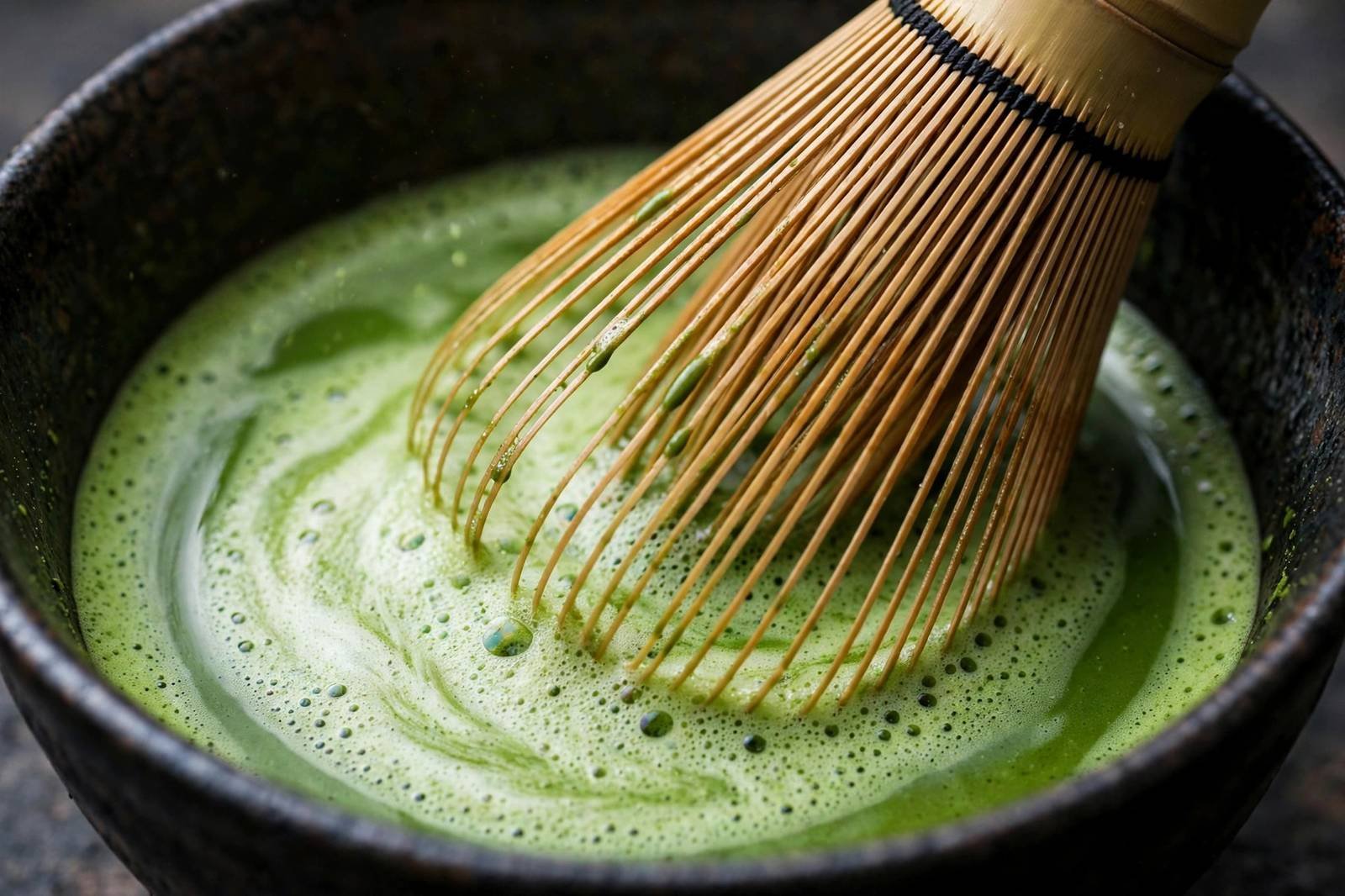
L-theanine is associated with relaxed alertness — the calm-focus state tea drinkers talk about. But the ritual itself deserves credit: two minutes of whisking is a mindfulness practice disguised as beverage prep. Phones down, whisk moving, steam rising. Thirty days of that and your mornings have a shape they didn’t have before. For the evening half of the day, our chamomile tea for sleep is the caffeine-free handoff.
3. Steadier energy through the afternoon
Because matcha’s caffeine arrives with L-theanine rather than in coffee’s sharp spike, the afternoon tends to plateau instead of crash. This is the change people notice most in weeks two and three: fewer energy dips, less reaching for a second (or third) coffee. The honest boundary: matcha still contains real caffeine, so a late-afternoon bowl can still cost you sleep. Mornings are its natural habitat.
4. Antioxidant intake gets a genuine upgrade
Matcha is rich in catechins — notably EGCG — because you’re drinking the ground leaf, not a steeped infusion. More of the leaf’s compounds end up in your cup than with regular green tea. That said, brewed matcha still delivers far less than the concentrated extracts used in clinical studies. Support, not transformation — and a real upgrade over coffee, which offers none of it.
5. Digestion may settle when coffee’s acidity leaves
Coffee is acidic and stimulates gastric acid — a known trigger for reflux and stomach upset. Matcha is less acidic than coffee, and many who swap their second or third coffee for matcha find their stomach calms within a couple of weeks. Not everyone: matcha on a truly empty stomach can feel strong. Have it with or after breakfast if you’re sensitive.

6. A modest metabolic nudge — never a fat burner
Honesty first, because this is where the hype lives: the NCCIH states that green tea’s catechins plus caffeine may have a modest effect on body weight, and that green tea has not been shown to be effective for weight loss. Matcha is a stronger version of the same beverage — the modest nudge scales up slightly, the honesty requirement stays identical. As a near-zero-calorie replacement for a sugary coffee drink, it can support a plan. Anyone promising “matcha melts belly fat in 30 days” is selling you something.
7. The ritual survives month two
The underrated outcome. Matcha costs more than coffee per cup, but the ritual — the whisk, the bowl, the two quiet minutes — has genuine staying power. Most health habits die in week three; a practice that tastes good and feels good has a chance. And the cholesterol nudge, the hydration, the calmer mornings — those accrue to people still whisking in month six. The best habit is the one you don’t quit.
Brew It Right: The 30-Day Matcha Method
Traditional Morning Matcha (Usucha)
Prep: 3 min | Whisk: 30 sec | Servings: 1 bowl | Daily amount: 1–2 servings
Ingredients:
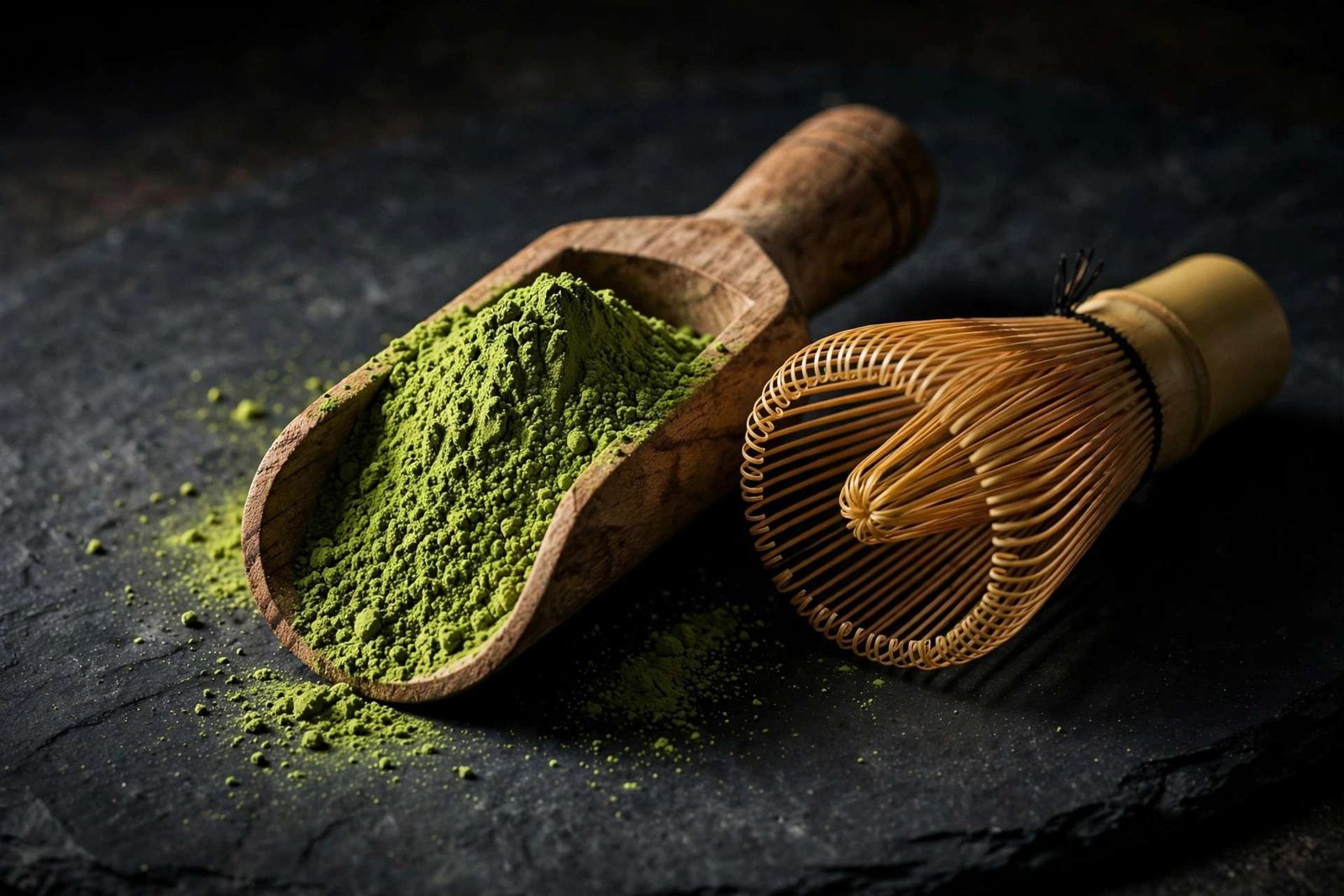
- 1–2 teaspoons (2–4 g) ceremonial-grade matcha, sifted to remove clumps
- 2–3 oz water at 70–80°C (160–175°F) — not boiling
- Bamboo whisk (chasen); a small kitchen whisk works in a pinch
Steps:
- Sift the matcha into a warm bowl — clumps are the #1 cause of gritty matcha.
- Add the water and whisk briskly in a W or M motion for 20–30 seconds until a fine froth forms on top.
- Drink immediately. For the coffee-lover version: whisk with water, then pour over warm or iced milk for a matcha latte.
The 30-day schedule: one bowl mid-morning after breakfast; a second before noon if you want it. After noon, caffeine-sensitive people should stop — evenings belong to peppermint tea.
Ceremonial vs. Culinary: Don’t Overpay
Two grades, one rule: ceremonial grade is made from younger leaves, tastes smoother, and is meant for drinking straight — worth it for your morning bowl. Culinary grade is more bitter and made for lattes, smoothies, and baking, where milk and sugar cover the edge. For the 30-day test, one bag of ceremonial grade for straight matcha is the move. Bright, vivid green means fresh; dull olive-brown means it’s been sitting. And since matcha is the whole ground leaf, sourcing matters more than with steeped tea — buy from reputable sellers.
Safety: The Honest Fine Print
- Caffeine counts: 1–2 servings daily is moderate for most adults. Most adults tolerate up to roughly 400 mg of caffeine a day from all sources; count your matcha against your coffee and chocolate. If you’re sensitive, pregnant, or breastfeeding, keep it moderate and check with your provider.
- The extract trap: brewed matcha and matcha extract pills are different products. The NCCIH’s liver-injury warnings involve concentrated extracts — the 30-day habit in this article is whisked tea.
- Iron absorption: tea compounds can reduce non-heme iron absorption — drink matcha between meals rather than with them if iron matters for you.
- Empty stomach: matcha’s whole-leaf caffeine on an empty stomach can cause nausea or jitters — with or after food is gentler.
- Medications: the NCCIH flags that high-dose green tea compounds can alter blood levels of certain drugs (e.g., the beta-blocker nadolol). On daily medication? Mention the habit to your doctor.
Read the NCCIH’s full green tea usefulness and safety review for the complete picture.
FAQs About Matcha Tea Every Morning for 30 Days
Is matcha better than regular green tea?
Stronger, not categorically better. You ingest the whole leaf, so more caffeine and more EGCG per serving — a concentrated version of the same habit. Start with regular green tea if you’re new to tea entirely.
How much matcha per day is safe?
One to two servings (2–4 g each) daily is the comfortable range for most adults — the NCCIH reports no safety concerns for green tea as a beverage. More servings mostly mean more caffeine, not more benefit.
Will matcha help me lose weight?
The NCCIH states green tea has not been shown to be effective for weight loss; catechins plus caffeine may have only a modest effect on body weight. It supports a plan as a zero-calorie drink swap — it doesn’t melt fat.
Why does my matcha taste bitter and gritty?
Two usual causes: water too hot (boiling scorches it — stay at 70–80°C) or unsifted clumps. Sift, cool the water, whisk 30 seconds. If it’s still bitter, the powder is stale or culinary grade.
Keep the morning habit going: our green tea every day for 30 days for the gentler steeped version, drinking turmeric tea every day for the golden afternoon alternative, anti-inflammatory breakfast ideas to eat with it, and lemon water every morning for 30 days for the caffeine-free option.