
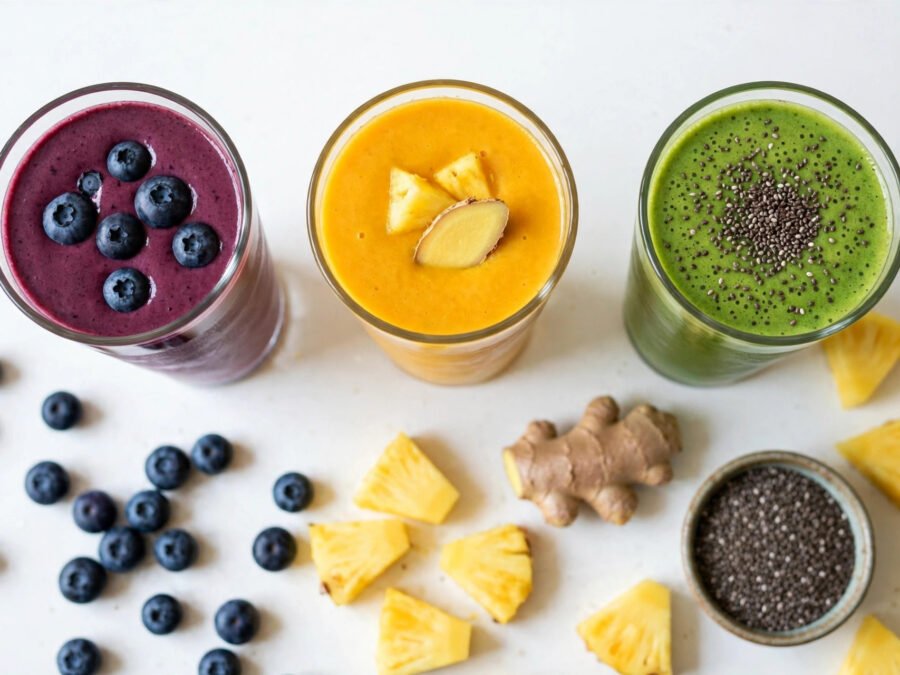
5 Anti-Inflammatory Smoothie Recipes (That Actually Taste Good)
Let’s be real: many “healthy” smoothies taste like lawn clippings and regret. But an anti-inflammatory smoothie doesn’t have to taste like punishment. Built around sweet berries, creamy banana, and warming spices, it can taste like a treat that happens to be loaded with inflammation-fighting ingredients.
These five recipes each take five minutes, use everyday ingredients, and lean on a different inflammation-fighting angle — berries, cherries, turmeric, ginger, and greens. Pick your favorite or rotate through the week.
What Makes a Smoothie Anti-Inflammatory?
You don’t need exotic powders. The most powerful anti-inflammatory smoothie ingredients are probably already in your kitchen:
- Berries — packed with anthocyanins, the antioxidants behind their deep colors
- Tart cherries — one of the most studied fruits for joint comfort and muscle recovery
- Turmeric + black pepper — curcumin plus piperine, the classic absorption-boosting pair
- Fresh ginger — warming, zesty, and traditionally used for digestion and inflammation
- Leafy greens — spinach and kale blend invisibly into berry smoothies
- Omega-3s — chia, flax, and walnuts add healthy fats that support a balanced inflammatory response
- Pineapple — contains bromelain, an enzyme studied for its soothing properties
The formula behind every smoothie below: fruit + greens + healthy fat + spice + liquid. Nail that formula and you can’t go wrong.
1. Berry Turmeric Glow Smoothie
The everyday workhorse. Sweet berries completely hide the turmeric, and the black pepper is undetectable.
Ingredients:
- 1 cup frozen mixed berries
- 1/2 frozen banana
- 1 cup spinach (it blends in unnoticed behind the berries)
- 1/2 teaspoon ground turmeric
- Tiny pinch of black pepper
- 1 tablespoon almond butter
- 1 cup almond milk or oat milk
Blend everything until creamy. Top with a few fresh berries if you’re feeling fancy.
2. Pineapple Ginger Zinger
Tastes like sunshine. The ginger gives it a gentle, warming kick — a bright alternative if you want a break from coffee.
Ingredients:
- 1 cup frozen pineapple chunks
- 1/2 frozen banana
- 1-inch piece fresh ginger, peeled
- 1/2 teaspoon ground turmeric
- 1 tablespoon chia seeds
- 1 cup coconut water
Blend until smooth. Add a squeeze of lime if you like it extra bright.
3. Tart Cherry Cacao Recovery Smoothie
Tart cherry juice is popular with athletes for recovery, and cacao makes it taste like chocolate-covered cherries.
Ingredients:
- 1 cup tart cherry juice (not cocktail — 100% juice)
- 1 frozen banana
- 1 tablespoon raw cacao powder
- 1 tablespoon ground flaxseed
- 1/2 teaspoon cinnamon
- 1/2 cup Greek yogurt (or coconut yogurt)
- Handful of ice
Blend until thick and frosty. This one is basically dessert.
4. Green Machine Anti-Inflammatory Smoothie
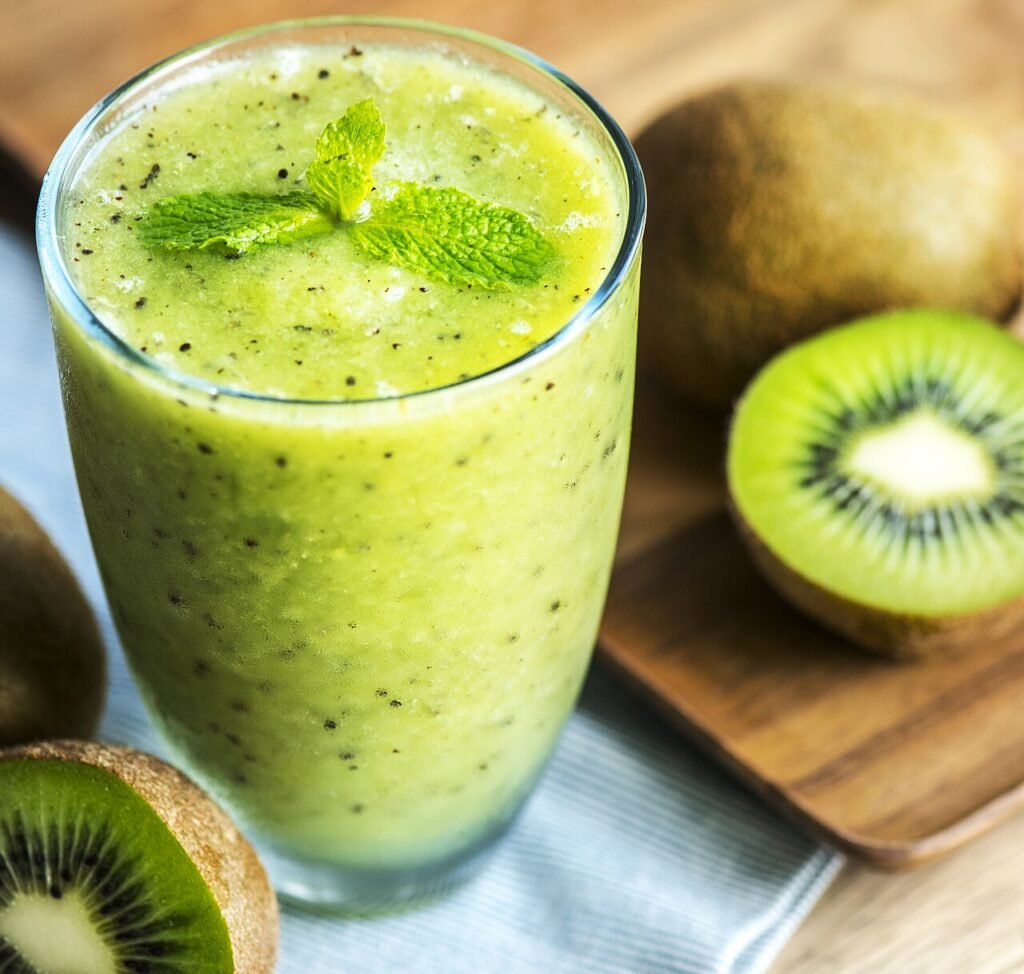
For when you want maximum greens with zero suffering. The mango and pineapple do all the heavy lifting.
Ingredients:
- 1 cup frozen mango
- 1/2 cup frozen pineapple
- 1 big handful kale or spinach
- 1/2 avocado (creaminess + healthy fats)
- 1-inch fresh ginger
- 1 tablespoon hemp seeds
- 1 cup water or green tea, cooled
Blend the greens and liquid first until completely smooth, then add everything else and blend again. Two-step blending = no leafy bits.
5. Golden Almond Breakfast Smoothie
All the cozy flavor of golden milk, in cold smoothie form. The almond butter and oats make it a satisfying breakfast.
Ingredients:
- 1 frozen banana
- 1/2 teaspoon turmeric
- 1/2 teaspoon cinnamon
- 1/4 teaspoon ground ginger
- Tiny pinch black pepper
- 2 tablespoons almond butter
- 1 tablespoon rolled oats
- 1 cup oat milk
- 1 teaspoon honey (optional)
Blend until thick and creamy. Sprinkle cinnamon on top.
Tips for Better Anti-Inflammatory Smoothies
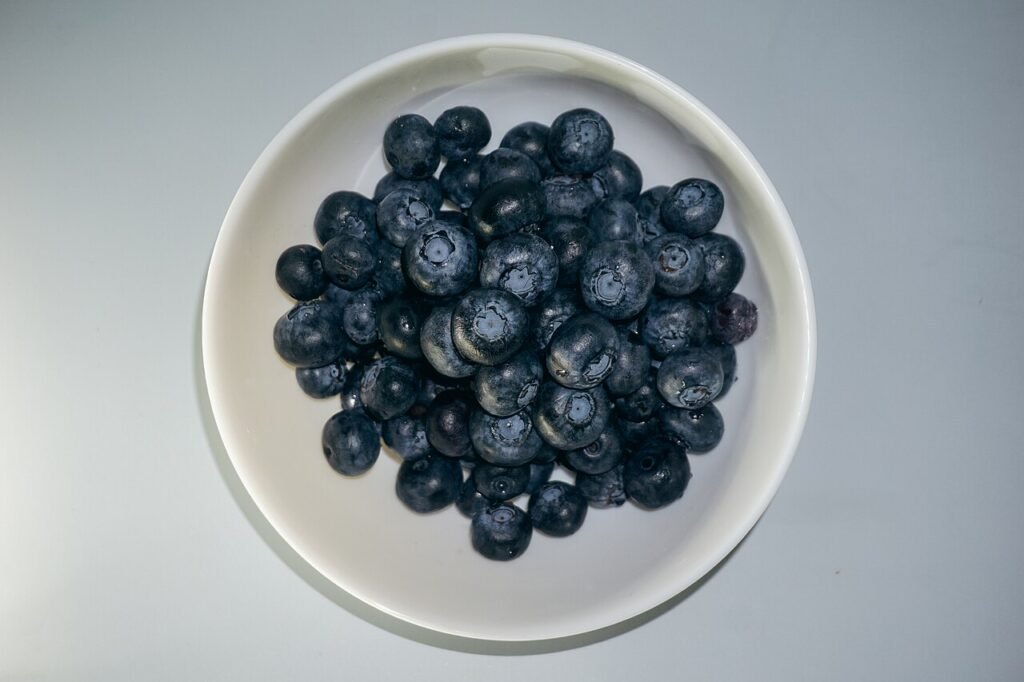
- Frozen fruit > fresh for texture. It makes the smoothie thick and frosty without watering it down with ice.
- Always add a fat. Almond butter, avocado, chia, or flax — healthy fats help your body absorb fat-soluble compounds like curcumin.
- Prep freezer bags. Portion the fruit, greens, and spices for each recipe into bags on Sunday. On busy mornings, dump + blend + done.
- Watch the sugar. Fruit is great, but a smoothie with 3 bananas and 2 cups of juice is a sugar bomb. One serving of fruit plus greens and protein keeps it balanced.
- Don’t skip the pepper. It may sound odd in a smoothie, but you cannot taste a tiny pinch, and it helps your body make better use of the turmeric.
Frequently Asked Questions
What is the best anti-inflammatory smoothie?
The one you’ll actually drink every day. That said, berry-based smoothies with turmeric, black pepper, and a healthy fat (like almond butter or chia) hit the most anti-inflammatory bases in one glass.
Can smoothies really help with arthritis or joint pain?
Smoothies are an easy way to eat more berries, cherries, turmeric, and omega-3s — all foods associated with a healthy inflammatory response. They’re a great piece of the puzzle alongside movement, sleep, and overall diet, not a cure on their own.
Can I make these smoothies ahead of time?
Yes — blend and refrigerate for up to 24 hours, or freeze portions in jars for up to a month. Shake well before drinking as separation is normal.
Should I add protein powder?
If your smoothie is replacing a meal, yes — a scoop of protein (or Greek yogurt) keeps you full and balances blood sugar. For a snack-size smoothie, it’s optional.
Is it okay to drink an anti-inflammatory smoothie every day?
Absolutely. Daily is kind of the point — the benefits of these foods build with consistency, like any healthy habit.
Pair your smoothie routine with this anti-inflammatory chia pudding for make-ahead breakfasts that fight inflammation all week.
This article shares general nutrition information and is not medical advice. If you have a health condition or take medication, check with your healthcare provider.