
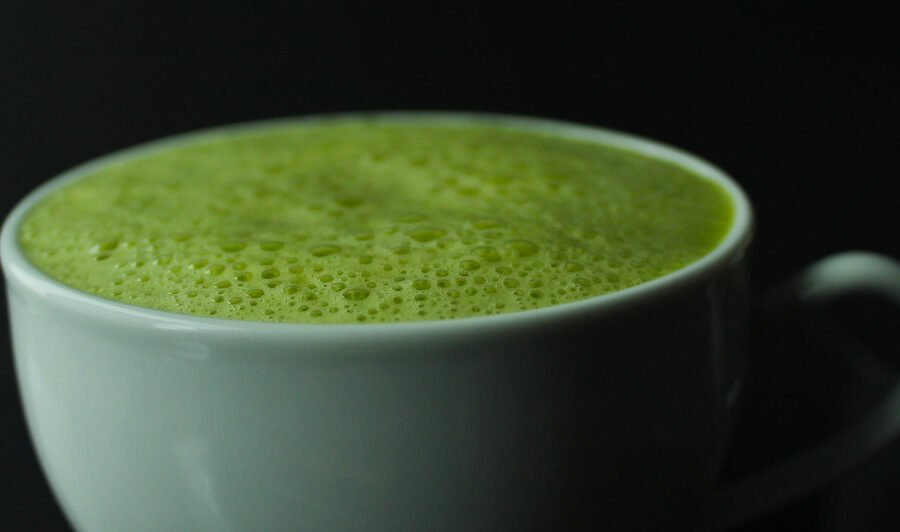
Matcha Latte Recipe: Creamy Dairy-Free Green Tea Latte at Home
A matcha latte recipe done well is one of the simplest upgrades to your morning: vibrant green tea, gently whisked and blended with warm, creamy dairy-free milk. Five minutes, no special equipment beyond a whisk, and a café-style result at home.
In this guide, you’ll learn what a matcha latte is, how to pick the right matcha and plant milk, and how to whisk it clump-free. You’ll also get practical tips, easy variations, and answers to the most common matcha questions, from caffeine content to the best dairy-free milks.
In This Guide
- What Is a Matcha Latte?
- Why You’ll Love This Dairy-Free Matcha Latte Recipe
- What You’ll Need: Matcha and Dairy-Free Milk
- How to Make a Dairy-Free Matcha Latte
- Tips for the Smoothest Matcha Latte (No Clumps)
- Matcha Latte Variations to Try
- Is Matcha Good for You?
- Matcha Latte FAQ
What Is a Matcha Latte?
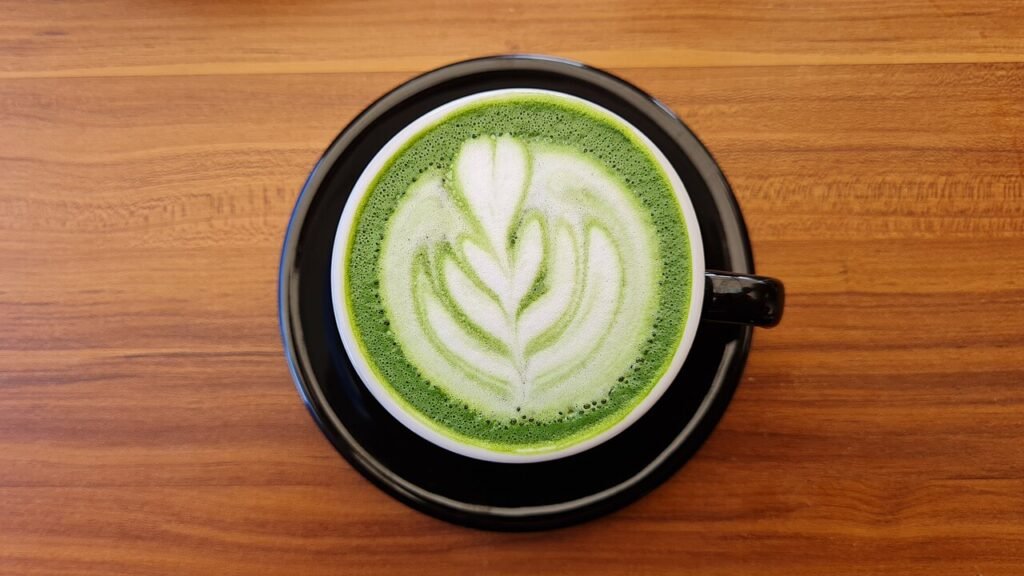
A matcha latte is matcha — finely ground Japanese green tea — whisked with a little hot water, then blended with milk and a touch of sweetener. Since matcha is the whole leaf in powdered form, the drink has a fuller body and a more intense, savory-sweet flavor than steeped green tea.
The classic uses dairy milk, but this matcha latte recipe is fully dairy-free: plant milks’ gentle sweetness balances matcha’s natural vegetal notes for a smooth, creamy cup.
Matcha contains roughly 30–70 mg of caffeine per serving, plus an amino acid called L-theanine. Some studies suggest L-theanine may promote a calm, focused feeling — which is why many people describe matcha energy as steadier than coffee.
Why You’ll Love This Dairy-Free Matcha Latte Recipe
This recipe is built for real kitchens, not tea ceremonies:
- No special gear. A small whisk — or even a fork or jar — is all you need.
- Clump-proof method. Sifting first and using the right water temperature means a silky drink every time.
- Naturally dairy-free. Ratios that work with oat, almond, soy, and coconut milk.
- Customizable sweetness. Maple syrup, honey, or nothing at all.
- Hot or iced. One method, two serving options.
If you enjoy warming, spice-forward drinks too, see our turmeric latte vs golden milk comparison.
What You’ll Need: Matcha and Dairy-Free Milk
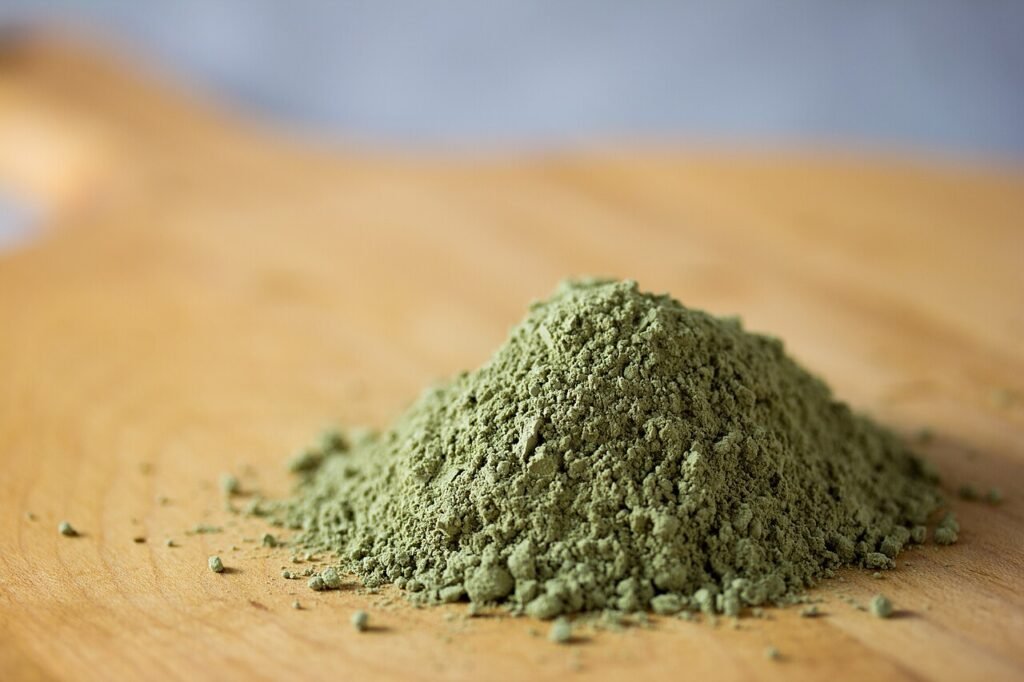
Good matcha and the right milk are what separate a bitter, gritty cup from a creamy one.
Ceremonial vs. Culinary Grade Matcha
Matcha comes in two grades:
- Ceremonial grade: Made from young, tender leaves. Smoother, naturally sweeter, and vivid green — the best choice for lattes where matcha is the star.
- Culinary grade: Slightly more bitter, made from older leaves. A budget-friendly everyday option; just add a touch more sweetener.
Either way, look for bright green powder in a sealed, light-proof tin, and buy small amounts — use within a few weeks of opening for the freshest flavor.
Best Dairy-Free Milks for Matcha Lattes
Not all plant milks blend the same way:
- Oat milk — the creamiest pick; its natural sweetness balances matcha and it froths well.
- Soy milk — high protein, holds foam nicely, adds body.
- Almond milk — lighter; choose a barista-style version for better texture.
- Coconut milk (carton, not canned) — subtle tropical note; canned is too heavy here.
Skip rice milk — it’s too thin for a creamy latte. Warm your milk gently rather than boiling it, which can cause plant milks to separate.
How to Make a Dairy-Free Matcha Latte
Prep time: 5 minutes | Cook time: 0 minutes (plus 2 minutes to warm the milk) | Servings: 1
Ingredients
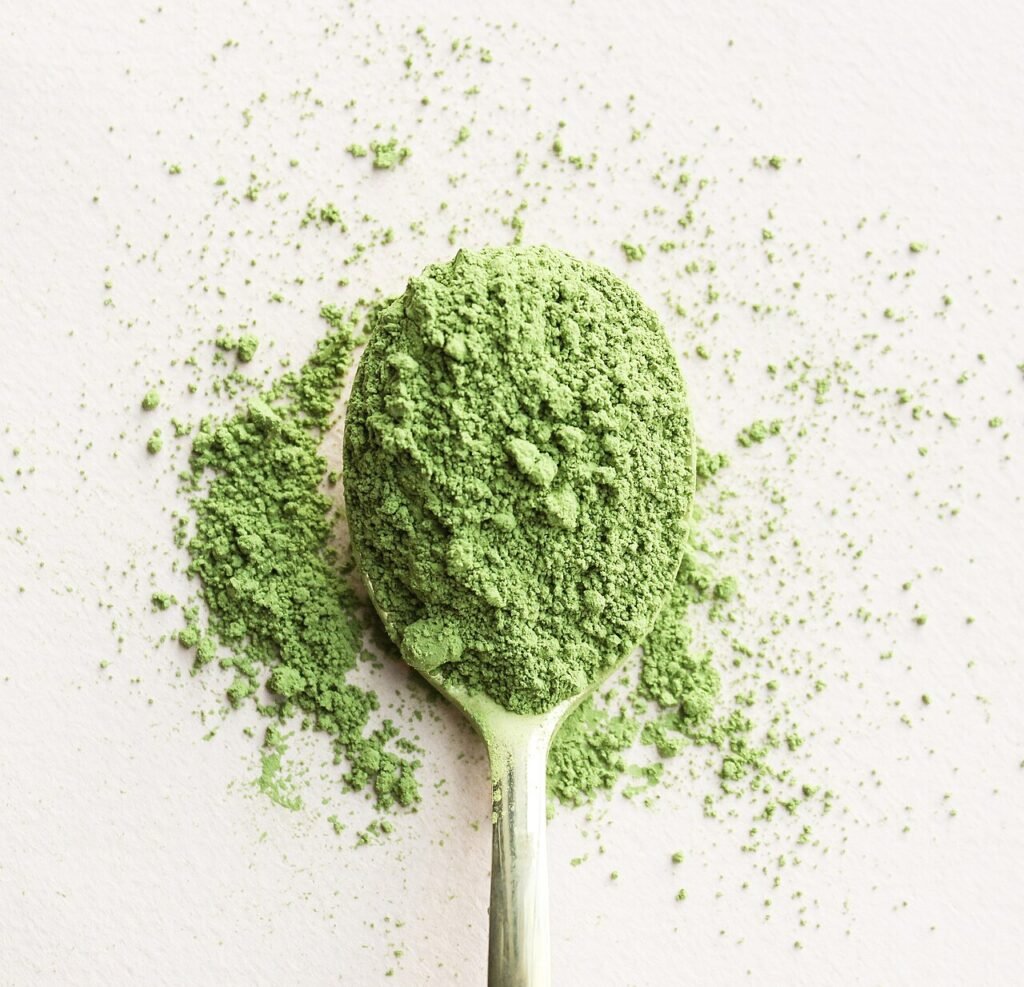
- 1½ teaspoons ceremonial-grade matcha powder (about 2 g)
- 2 tablespoons hot water (175°F / 80°C)
- ¾ cup dairy-free milk (oat, almond, soy, or coconut), warmed
- 1–2 teaspoons maple syrup or honey, to taste (optional)
- Ice cubes (for the iced version)
Instructions
- Sift the matcha. Place a fine-mesh sieve over your mug and push the matcha through with the back of a spoon — this breaks up lumps before they can form.
- Heat the water. Bring fresh water to about 175°F (80°C), just below a simmer. Boiling water scorches matcha and brings out bitterness. No thermometer? Let a boiled kettle sit 2–3 minutes.
- Whisk. Pour the hot water over the matcha and whisk briskly in a zigzag motion for 15–20 seconds until frothy with fine bubbles. A bamboo whisk is traditional; a small wire whisk or frother works too.
- Warm and sweeten the milk. Heat the dairy-free milk until steamy, not boiling, then stir in the maple syrup or honey until dissolved.
- Combine. Pour the whisked matcha into a mug, add the warm milk, and stir gently once or twice. Taste and adjust sweetness.
- For iced: Skip warming. Fill a tall glass with ice, add cold milk, then pour the whisked matcha over the top. Stir before drinking.
Dairy-Free Matcha Latte
Ingredients
Method
- Sift the matcha. Place a fine-mesh sieve over your mug and push the matcha through with the back of a spoon — this breaks up lumps before they can form.
- Heat the water. Bring fresh water to about 175°F (80°C), just below a simmer. Boiling water scorches matcha and brings out bitterness. No thermometer? Let a boiled kettle sit 2–3 minutes.
- Whisk. Pour the hot water over the matcha and whisk briskly in a zigzag motion for 15–20 seconds until frothy with fine bubbles. A bamboo whisk is traditional; a small wire whisk or frother works too.
- Warm and sweeten the milk. Heat the dairy-free milk until steamy, not boiling, then stir in the maple syrup or honey until dissolved.
- Combine. Pour the whisked matcha into a mug, add the warm milk, and stir gently once or twice. Taste and adjust sweetness.
- For iced: Skip warming. Fill a tall glass with ice, add cold milk, then pour the whisked matcha over the top. Stir before drinking.
Tips for the Smoothest Matcha Latte (No Clumps)
Clumps are almost always preventable:
- Always sift first. It takes 20 seconds and matters more than any gadget.
- Mind the temperature. Around 175°F (80°C) dissolves the powder without bitterness.
- Whisk with energy. Quick, firm zigzag strokes for 15–20 seconds build that light foam.
- Matcha into water first, never milk first. The powder needs room to dissolve fully.
- Use fresh matcha. Keep the tin sealed, cool, and away from light.
Matcha Latte Variations to Try
Once you’ve mastered the base recipe, try these twists:
- Iced — the cold method above; refreshing on warm days.
- Vanilla — add ¼ teaspoon vanilla extract to the milk.
- Strawberry — mash 2–3 strawberries with sweetener in the glass, add ice and milk, top with matcha.
- Mint — steep a fresh mint sprig in the warm milk for 5 minutes, then remove.
- Chocolate — whisk 1 teaspoon cocoa powder in with the matcha for a mocha-style drink.
Want a caffeine-free evening option? Our creamy golden milk recipe is a cozy turmeric-based alternative.
Is Matcha Good for You?
Matcha is traditionally used in Japanese tea culture and has been studied for several potential benefits — with measured expectations.
Because you consume the whole leaf, matcha delivers more antioxidants — including catechins like EGCG — than steeped green tea, plus caffeine and L-theanine. Some studies suggest this combination may help support alertness and focus, and matcha may support metabolism as part of a balanced diet.
That said, matcha is not a miracle drink. Enjoy it earlier in the day if you’re caffeine-sensitive, and remember latte sweeteners add calories. Think of it as a nourishing ritual — a pleasant, antioxidant-rich drink — rather than a health cure.
If you’re building more balanced habits, matcha fits alongside simple routines like the ideas in our 7-day anti-inflammatory meal plan — and many people alternate it with ginger lemon water on lower-caffeine days.
Matcha Latte FAQ
Why is my matcha latte clumpy?
Clumps usually come from skipping the sifting step or using water that’s too cool to dissolve the powder. Always push matcha through a fine sieve first, use water around 175°F (80°C), and whisk briskly in a zigzag motion for 15–20 seconds until frothy.
Can I make a matcha latte without a whisk?
Yes. A small wire whisk or handheld milk frother works well. In a pinch, shake the sifted matcha and hot water in a sealed jar for 20–30 seconds. Simply stirring with a spoon rarely breaks up all the lumps, so sifting beforehand becomes even more important.
How much caffeine is in a matcha latte?
A typical matcha latte made with 1½ teaspoons of matcha contains roughly 30–70 mg of caffeine, depending on the grade and amount used. That’s noticeably less than a standard cup of coffee (around 95 mg) but more than most green teas.
What’s the best dairy-free milk for a matcha latte?
Oat milk is the most popular choice because it’s naturally creamy and slightly sweet, balancing matcha’s vegetal flavor. Soy milk froths well thanks to its protein content. Almond milk gives a lighter drink — choose a barista-style version for better texture.
Can I drink a matcha latte every day?
For most people, one daily matcha latte fits comfortably within general caffeine guidelines, as long as total daily caffeine stays moderate. If you’re pregnant, sensitive to caffeine, or take medication affected by green tea compounds, check with your healthcare provider first.
This article is for informational purposes only and is not medical advice. Consult your healthcare provider with any concerns.