

Turmeric Latte vs Golden Milk: What Is the Real Difference?
You have probably seen both names on café menus and health blogs and wondered whether turmeric latte vs golden milk is just two names for the same drink. The answer: they are close cousins, not twins.
In this post you will learn what golden milk traditionally is, what a turmeric latte actually contains, and how the two differ across seven key factors. You will also get a simple, cozy recipe for each so you can taste the difference yourself.
Table of Contents
- What Is Golden Milk?
- What Is a Turmeric Latte?
- Turmeric Latte vs Golden Milk: Key Differences
- Which One Should You Drink?
- How to Make a Turmeric Latte
- How to Make Golden Milk
- Frequently Asked Questions
What Is Golden Milk?
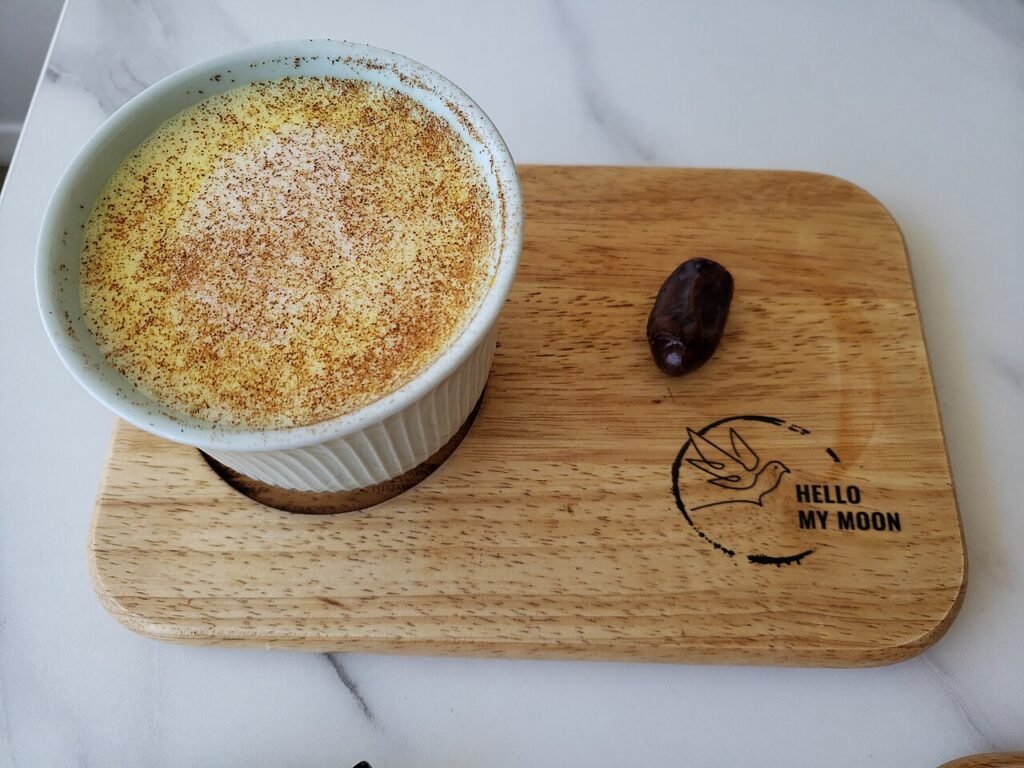
Golden milk is a warm, golden-colored drink made by simmering turmeric in milk with complementary spices. It comes from the Ayurvedic tradition, where a similar preparation — known as haldi doodh — has been enjoyed in India for centuries as a comforting evening drink.
The classic version is simple: warm milk (dairy or plant-based), ground turmeric, a pinch of black pepper, and a warming spice such as cinnamon or cardamom, often with a little honey. The black pepper is not just for flavor — piperine in black pepper may help the body absorb curcumin, the compound that gives turmeric its color and much of its studied interest.
For a step-by-step version with exact ratios, see our golden milk recipe.
What Is a Turmeric Latte?
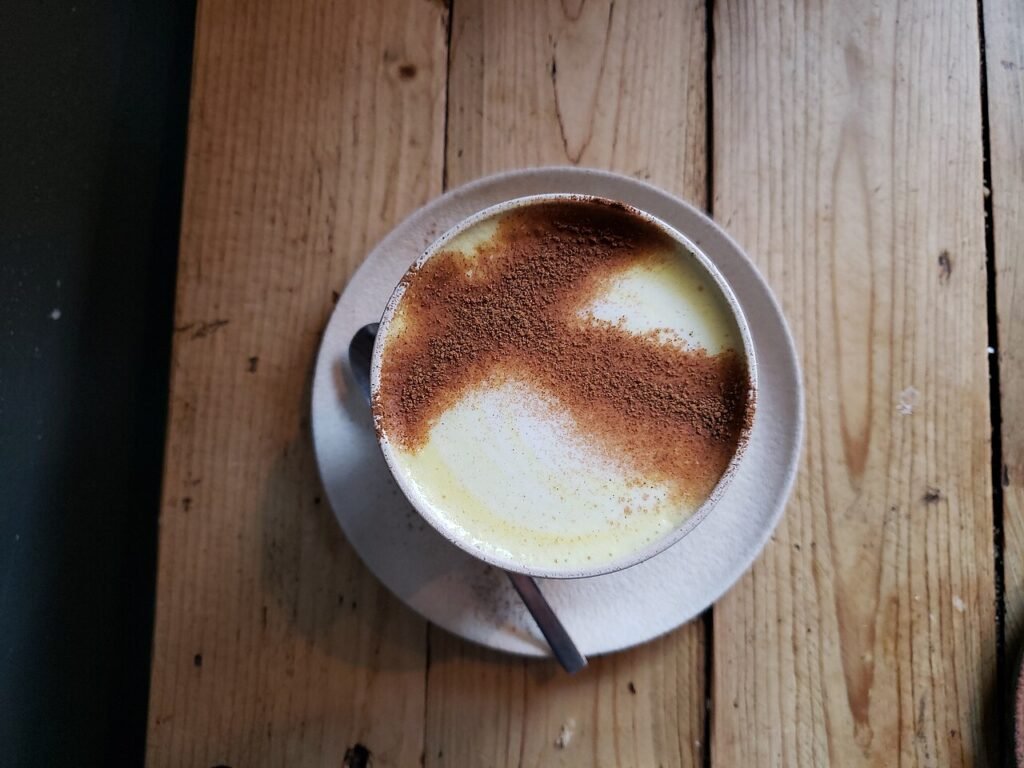
A turmeric latte is the modern café take on golden milk. Where a latte normally means espresso plus steamed milk, a turmeric latte swaps the espresso for a turmeric spice blend, then adds steamed or frothed milk — often with a dusting of cinnamon.
Turmeric lattes tend to be:
- Milk-forward and frothy — steamed milk with foam is the star, just like a coffeehouse latte.
- Milder in spice — the turmeric is gentler, balanced with cinnamon, ginger, and vanilla so it drinks like a dessert.
- Caffeinated or not, your choice — some cafés add a shot of espresso (a “dirty” turmeric latte), while most are caffeine-free.
- Sweeter — maple syrup, honey, or vanilla syrup are common, making it feel more like a treat than a tonic.
Think of it this way: golden milk is the traditional home recipe; the turmeric latte is what happened when cafés fell in love with it.
Turmeric Latte vs Golden Milk: Key Differences
Here are the seven differences that matter most when deciding which to make.
| Factor | Golden Milk | Turmeric Latte |
|---|---|---|
| Origin | Traditional Ayurvedic drink (haldi doodh) | Modern café creation inspired by golden milk |
| Base ingredients | Warm milk + turmeric + black pepper + warming spices | Steamed/frothed milk + turmeric spice blend |
| Flavor profile | Earthy, peppery, lightly spiced | Creamy, mellow, sweeter, more dessert-like |
| Caffeine | Naturally caffeine-free | Caffeine-free by default; some versions add espresso |
| Sweetness | Lightly sweetened or unsweetened | Usually sweeter (maple syrup, honey, or vanilla) |
| Texture | Smooth, thin, sipped like warm milk | Frothy and foamy, like a café latte |
| Best time to drink | Evening wind-down, before bed | Morning or afternoon café-style break |
Turmeric Latte vs Golden Milk: Nutrition Snapshot
Both drinks deliver turmeric’s curcumin, and adding black pepper to either may support its absorption. Golden milk is typically lighter in calories because it uses less sweetener and no foam. A turmeric latte can be the richer choice — which is exactly why people love it as an afternoon pick-me-up.
Does one have more benefits?
The turmeric itself is the same in both, so the core is comparable. Golden milk often includes black pepper and ginger, traditionally used to support digestion. A café turmeric latte may skip the pepper and lean heavier on sweeteners. If wellness is your goal, golden milk — or a homemade turmeric latte with pepper and light sweetener — is the better bet.
Which One Should You Drink?
Choose based on the moment:
- Pick golden milk if you want a soothing, lightly sweet evening drink, are winding down for sleep, or prefer the traditional spiced flavor.
- Pick a turmeric latte if you want a cozy café-style treat, love frothy milk drinks, or want a gentle afternoon lift (with or without a shot of espresso).
- Either works as a caffeine-free alternative to coffee or chai — pair it with ginger lemon water in the morning for a full warming-drink routine.
How to Make a Turmeric Latte
A frothy, café-worthy turmeric latte in about five minutes — no espresso machine required.
Prep time: 2 minutes | Cook time: 5 minutes | Servings: 1
Ingredients
- 1 cup milk of choice (dairy, oat, or almond all froth well)
- 1 tsp ground turmeric
- ½ tsp ground cinnamon, plus extra for dusting
- ¼ tsp ground ginger
- 1 small pinch ground black pepper
- 1 tsp maple syrup or honey, plus more to taste
- ¼ tsp vanilla extract (optional)
Instructions
- Add the milk to a small saucepan over medium heat. Warm until steaming, not boiling.
- Whisk in the turmeric, cinnamon, ginger, black pepper, maple syrup, and vanilla until fully dissolved and golden.
- Remove from the heat. Froth with a handheld milk frother for 20–30 seconds until foamy. (No frother? Shake it in a sealed jar or blend briefly.)
- Pour into a warm mug, dust with cinnamon, and sip immediately.
Tip: Oat milk froths beautifully and gives the creamiest café-style result.
How to Make Golden Milk
The traditional, soothing version — gently simmered and lightly sweetened.
Prep time: 2 minutes | Cook time: 8 minutes | Servings: 1
Ingredients
- 1 cup milk of choice (dairy or unsweetened plant milk)
- 1 tsp ground turmeric
- ½ tsp ground cinnamon
- ¼ tsp ground ginger
- 1 pinch ground black pepper
- 1 tsp honey (optional)
- 1 tsp coconut oil (optional, for a silkier texture)
Instructions
- Combine the milk, turmeric, cinnamon, ginger, black pepper, and coconut oil (if using) in a small saucepan.
- Warm over medium-low heat, whisking often, 5–8 minutes until hot and fragrant. Do not boil.
- Remove from the heat and stir in the honey.
- Pour into a mug and drink warm, ideally in the evening as part of your wind-down routine.
Tip: Make a bigger batch of the dry spice mix (turmeric, cinnamon, ginger, black pepper) and store it in a jar — then golden milk is a two-minute job all week.
Frequently Asked Questions
Is a turmeric latte the same as golden milk?
Not exactly. Golden milk is the traditional warm drink of turmeric, milk, black pepper, and spices. A turmeric latte is a modern café-style version with steamed, frothed milk and usually more sweetener. They share a base but differ in texture, sweetness, and tradition.
Does a turmeric latte have caffeine?
Usually not. A standard turmeric latte is caffeine-free. However, some cafés offer a “dirty” turmeric latte with a shot of espresso added, so ask if you are avoiding caffeine.
Which is better for sleep: golden milk or turmeric latte?
Golden milk is the classic bedtime choice — warm, lightly sweetened, and caffeine-free, traditionally enjoyed before bed. A turmeric latte works too if you keep it caffeine-free and light on sweetener.
Can I make golden milk with water instead of milk?
You can, though it will taste thinner and less creamy. Milk — especially one with some fat — gives the drink its smooth body and may help carry turmeric’s fat-soluble compounds. Coconut milk is a good dairy-free option.
How much turmeric should I use per cup?
About 1 teaspoon of ground turmeric per cup of milk is standard for both drinks. Always add a small pinch of black pepper, which is traditionally paired with turmeric in golden milk preparations.
Can I drink turmeric latte or golden milk every day?
Many people enjoy one cup daily as part of a balanced routine — some even build it into an anti-inflammatory meal plan. If you are pregnant, nursing, or taking medication, check with your healthcare provider first, since concentrated turmeric can interact with certain medicines.
Looking for another cozy caffeine-free option? Try our matcha latte recipe for mornings, or an apple cider vinegar drink as a tangy afternoon alternative.
This article is for informational purposes only and is not medical advice. Consult your healthcare provider with any concerns.