
Anti-Inflammatory Meal Plan: A 7-Day Beginner’s Guide
Feeling sluggish, puffy, or just stuck in a cycle of heavy takeout meals? This anti-inflammatory meal plan gives you a simple starting point: a full week of balanced meals built on whole foods like vegetables, fruits, legumes, whole grains, fatty fish, nuts, and olive oil.
In this guide, you’ll learn how the anti-inflammatory eating pattern works and how to use the 7-day layout flexibly. By the end, you’ll have daily breakfast, lunch, dinner, and snack ideas, a starter shopping list, and practical tips to stay consistent all week.
Table of Contents
- What Is an Anti-Inflammatory Meal Plan?
- How to Use This 7-Day Plan
- Your 7-Day Anti-Inflammatory Meal Plan
- Anti-Inflammatory Shopping List Basics
- Tips for Staying on Track
- Anti-Inflammatory Meal Plan FAQs
What Is an Anti-Inflammatory Meal Plan?
An anti-inflammatory meal plan is not a strict diet with rigid rules. It’s an eating pattern that emphasizes whole, minimally processed foods while limiting the refined, sugary, and heavily processed items that are associated with promoting inflammation.
The foundation looks a lot like the Mediterranean way of eating:
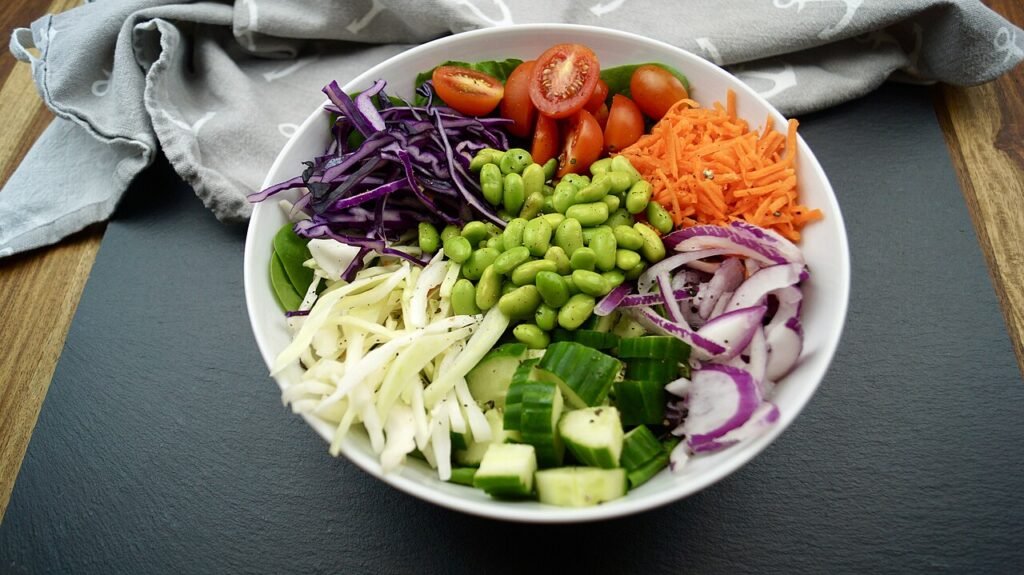
- Vegetables and fruits in a wide range of colors — leafy greens, berries, citrus, cruciferous vegetables
- Legumes like lentils, chickpeas, black beans, and peas for fiber and plant protein
- Whole grains such as oats, quinoa, brown rice, farro, and buckwheat
- Fatty fish like salmon, mackerel, and sardines a couple of times a week
- Nuts and seeds — walnuts, almonds, flaxseed, and chia seeds
- Olive oil as the primary cooking and dressing fat
- Herbs and spices like turmeric, ginger, garlic, and cinnamon, traditionally used to add flavor and depth
Some studies suggest eating patterns built around these foods are associated with better markers of overall health, though no single food can “cure” anything. Think of this plan as a gentle framework for more plants, more color, and more variety — not a prescription.
How to Use This 7-Day Plan
Who it’s for. This plan is designed for beginners who want a clear, doable week of balanced eating. Swap any meal you dislike, repeat your favorite days, or adjust portions to your appetite.
Prep tips. A little prep makes the week much easier:
- Cook a batch of grains (brown rice, quinoa, or farro) on Sunday to use across lunches and dinners
- Wash and chop vegetables ahead of time so snacks and salads come together fast
- Make one big soup (like the lentil soup in Day 1) and freeze half for a future busy week
Make it yours. Drink plenty of water throughout the day, and consider starting the morning with a glass of ginger lemon water. If a day feels too light or too heavy, add an extra snack or swap in a bigger meal — the plan is a guide, not a rulebook.
Your 7-Day Anti-Inflammatory Meal Plan
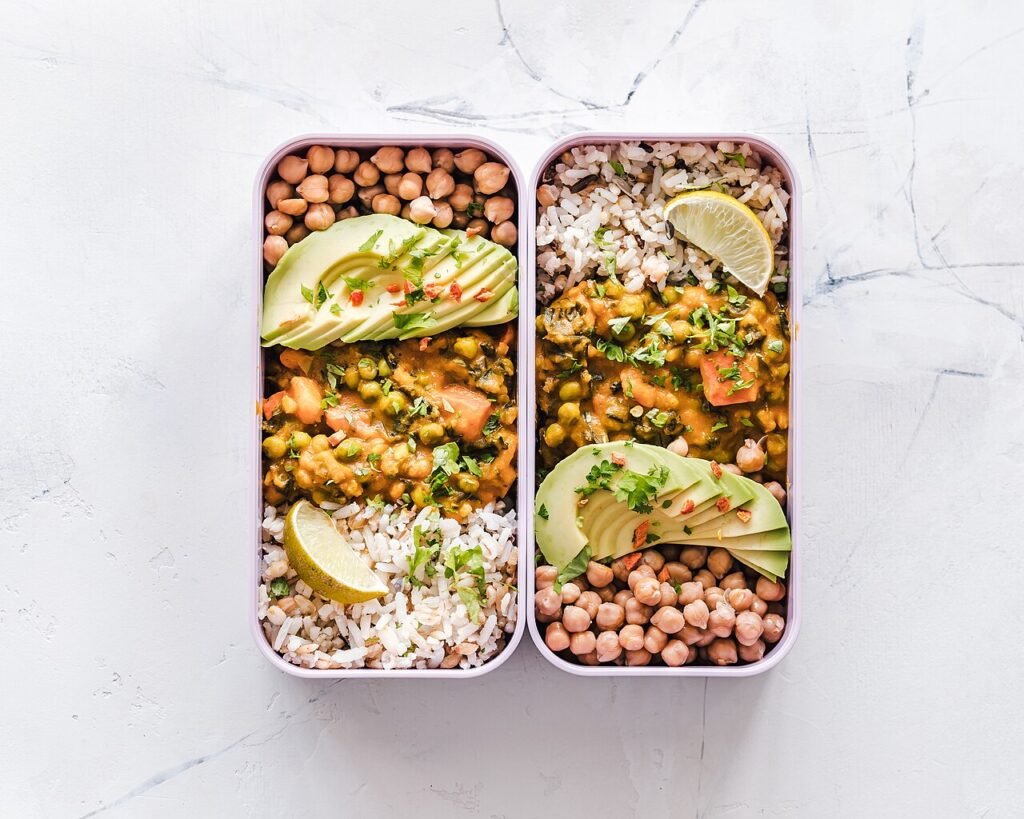
Each day includes breakfast, lunch, dinner, and a snack. Mix, match, and repeat anything you love.
Day 1
- Breakfast: Oatmeal cooked with almond milk, topped with blueberries, walnuts, and a sprinkle of cinnamon
- Lunch: Lentil and vegetable soup with a slice of whole-grain bread
- Dinner: Baked salmon with roasted sweet potatoes and steamed broccoli
- Snack: Apple slices with almond butter
Day 2
- Breakfast: Unsweetened Greek yogurt with mixed berries and ground flaxseed
- Lunch: Quinoa salad with chickpeas, cucumber, tomatoes, and an olive oil–lemon dressing
- Dinner: Stir-fried tofu with colorful vegetables over brown rice
- Snack: A handful of almonds and a square of dark chocolate (70% cacao or higher)
Day 3
- Breakfast: Smoothie with spinach, banana, frozen mango, and chia seeds
- Lunch: Black bean and avocado tacos on corn tortillas with cabbage slaw
- Dinner: Herb-roasted chicken breast with quinoa and roasted Brussels sprouts
- Snack: Carrot sticks with hummus
Day 4
- Breakfast: Whole-grain toast with avocado, tomato, and a squeeze of lemon
- Lunch: White bean and kale soup finished with a drizzle of olive oil
- Dinner: Grilled mackerel or sardines with roasted cauliflower and a green side salad
- Snack: A pear with a small handful of walnuts
Day 5
- Breakfast: Chia pudding made with coconut milk, topped with kiwi and pumpkin seeds
- Lunch: Farro grain bowl with roasted vegetables and tahini dressing
- Dinner: Turkey and vegetable lettuce wraps served with brown rice
- Snack: A warm cup of golden milk or a handful of pistachios
Day 6
- Breakfast: Vegetable omelet with spinach, mushrooms, and tomatoes
- Lunch: Split pea soup with carrots and celery
- Dinner: Baked cod with sweet potato mash and sautéed kale
- Snack: Orange slices with a small handful of almonds
Day 7
- Breakfast: Buckwheat pancakes with fresh berries and a light drizzle of maple syrup
- Lunch: Mediterranean-style salad with chickpeas, olives, cucumber, tomatoes, and optional feta
- Dinner: Lentil curry with coconut milk served over brown rice
- Snack: Banana with a spoonful of tahini
Anti-Inflammatory Shopping List Basics
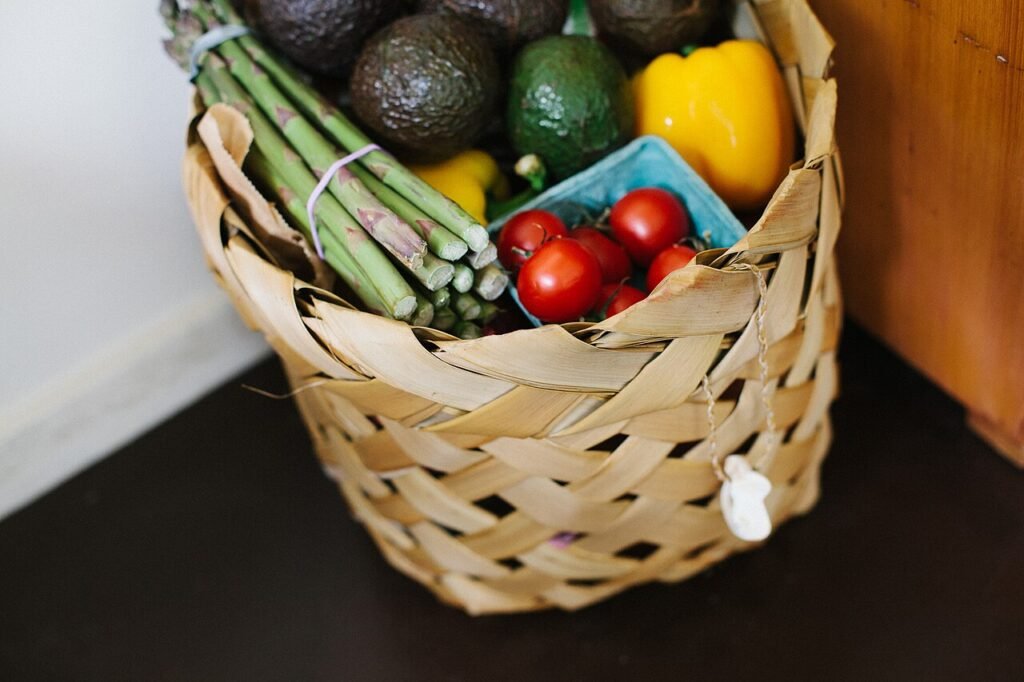
Shop mostly around the perimeter of the store and keep the pantry stocked with these staples:
- Produce: leafy greens, broccoli, cauliflower, sweet potatoes, berries, citrus, avocados, onions, garlic
- Pantry: oats, quinoa, brown rice, farro, lentils, chickpeas, black beans, canned tomatoes, olive oil, tahini
- Proteins: salmon, mackerel or sardines, chicken breast, eggs, Greek yogurt, tofu
- Nuts and seeds: walnuts, almonds, pistachios, chia seeds, flaxseed, pumpkin seeds
- Herbs and spices: turmeric, ginger, cinnamon, oregano, black pepper, basil
Tips for Staying on Track
- Cook once, eat twice. Double dinner recipes and pack the extra portion for tomorrow’s lunch.
- Keep it simple. Three-ingredient meals (a grain, a vegetable, a protein) count. Complexity isn’t required.
- Flavor is your friend. Lean on lemon, garlic, herbs, and spices instead of heavy sauces.
- Wind down in the evening. Compare turmeric lattes and golden milk and pick a warm evening drink you genuinely look forward to.
- Refresh your afternoons. Swap a sugary soda for an apple cider vinegar drink mixed with sparkling water and a little honey.
Anti-Inflammatory Meal Plan FAQs
Can I follow an anti-inflammatory meal plan as a vegetarian?
Yes — this eating pattern adapts easily to vegetarian and vegan diets. Replace fish and chicken with legumes, lentils, tofu, and tempeh for protein, and include walnuts, flaxseed, and chia seeds for plant-based omega-3s. Build meals around colorful vegetables, whole grains, and olive oil, and talk to a dietitian if you have specific nutrient concerns.
What foods should I limit on an anti-inflammatory diet?
Limit foods associated with promoting inflammation: sugary drinks and sweets, refined carbs like white bread and pastries, processed and fried foods, processed meats, and excess alcohol. You don’t need to eliminate everything forever — just reduce how often these foods appear while filling most of your plate with whole options.
How long does it take to notice results from an anti-inflammatory meal plan?
That varies widely. Some people report feeling more energetic within a couple of weeks, while others notice gradual changes over a month or more. Consistency matters more than perfection — track how you feel and check in with your healthcare provider about ongoing symptoms.
Can I drink coffee on an anti-inflammatory meal plan?
Coffee itself can fit — some research associates moderate coffee intake with beneficial antioxidant compounds. Just limit added sugar and heavy creamers. For variety, herbal teas or a homemade matcha latte make gentle alternatives. Notice how caffeine affects your sleep and energy, and adjust from there.
Do I need supplements with this meal plan?
Not necessarily. A well-planned diet built on whole foods can supply most of what you need. Some people consider vitamin D or omega-3 supplements, but that’s best decided with a healthcare professional. Food quality and consistency come first — supplements can’t replace a balanced eating pattern.
Is an anti-inflammatory meal plan good for weight loss?
It can support a healthy weight indirectly. Whole foods are naturally filling, which may help you feel satisfied on fewer calories without strict counting. Weight loss isn’t guaranteed and isn’t the goal here. Pair consistent meals with movement and sleep, and talk to your provider about a plan suited to you.
This article is for informational purposes only and is not medical advice. Consult your healthcare provider with any concerns.