

Bloating after meals, unpredictable digestion, that heavy sluggish feeling that no single “superfood” seems to fix — if any of that sounds familiar, a 21-day gut-healing meal plan might be the structured reset worth trying. Not a juice cleanse, not a 500-calorie detox, and definitely not a promise to “heal leaky gut in three weeks.” The honest version: 21 days of consistently feeding your gut microbiome what research says it likes — fiber, fermented foods, polyphenols, hydration — while easing off the things that disrupt it. Three weeks is long enough for eating patterns to shift and short enough to actually finish. Here’s the simple week-by-week structure, sample days, and the habits that matter as much as the food.
What “Gut Healing” Honestly Means
Let’s define terms before the plan, because the wellness internet abuses this phrase. Your gut hosts trillions of microorganisms — the gut microbiome — and research increasingly links its diversity and balance to digestion, immunity, mood, and even sleep. “Healing” your gut, in the evidence-based sense, means supporting that microbial community: feeding beneficial bacteria, reducing irritants, and giving digestion the conditions it needs to work well. What 21 days won’t do: repair a medical condition, “seal” anything overnight, or replace diagnosis. If you have persistent pain, blood in stool, unexplained weight loss, or symptoms that don’t budge, that’s a doctor conversation, not a meal-plan problem. This plan is for the large middle ground — functional bloating, sluggish digestion, and the general sense that your gut could be happier.
How the 21 Days Work: Three Phases
The structure borrows from the best-reviewed gut plans (and avoids their extremes): each week has one job.
Week 1 — Reset (days 1–7): remove the irritants
Clear the decks: cut back sharply on ultra-processed foods, added sugars, alcohol, and excess caffeine. You don’t need perfection — aim for “noticeably cleaner.” This week is also when you start the foundational habits: drinking enough water, eating more slowly, and getting to bed on time. Some people feel less bloated within days just from dropping the biggest irritants.
Week 2 — Nourish (days 8–14): feed the good guys
Now add actively: a fermented food daily, fiber at every meal, and polyphenol-rich plants (berries, leafy greens, olive oil, tea). This is the week the plan feels abundant rather than restrictive — you’re adding more than you’re removing.
Week 3 — Maintain (days 15–21): make it livable
Reintroduce mindfully. Add back one food category at a time and notice what happens — this is the real “personalized nutrition” and it’s more valuable than any lab test for everyday purposes. Lock in the 3–4 changes that felt best as permanent habits.
Foods to Favor (The Research-Backed List)

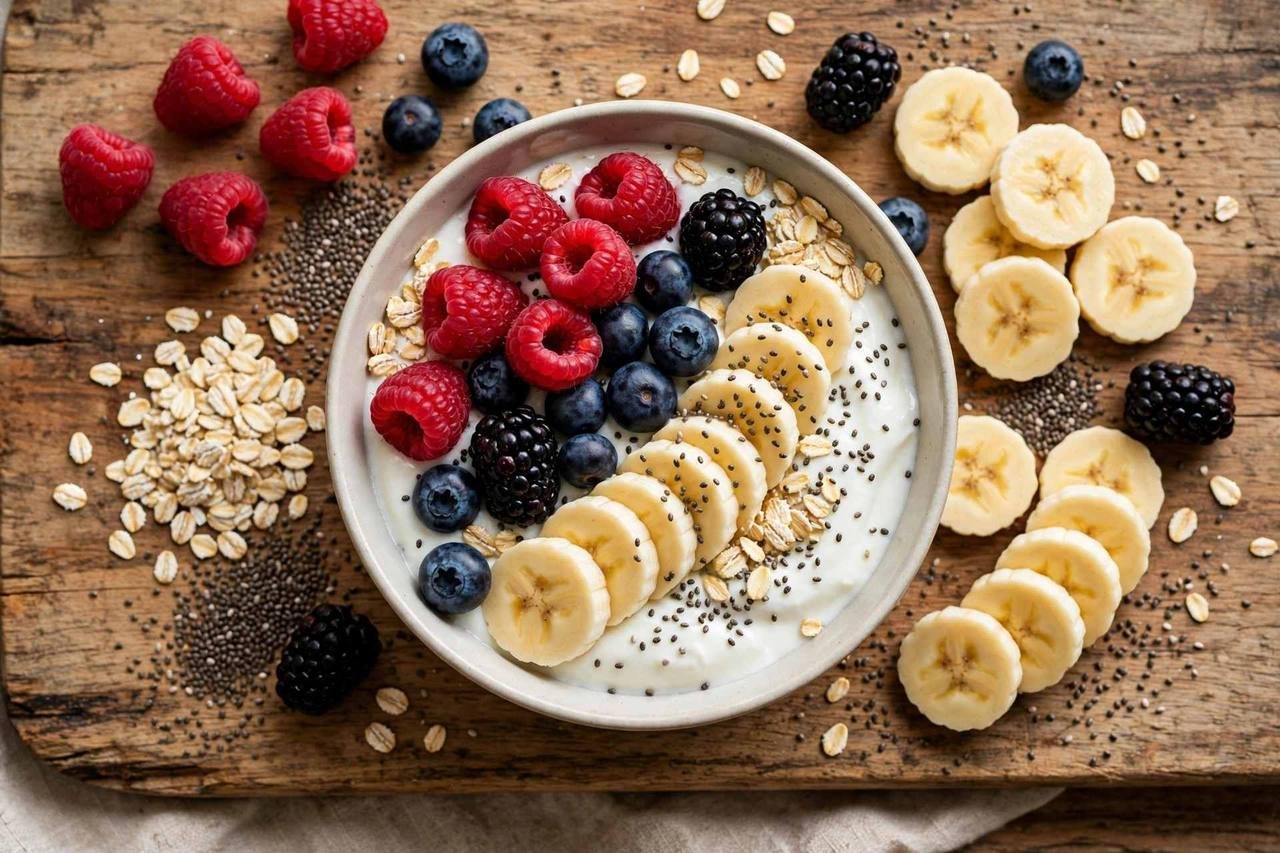
Drawn from Healthline’s reviewed gut-health guide and the underlying research it cites:
- High-fiber foods: legumes (black beans, chickpeas, lentils), whole grains (oats, quinoa, brown rice), vegetables (broccoli, asparagus, carrots, leafy greens), nuts (almonds, pistachios, walnuts), fruits (apples, berries, bananas, pears). Fiber feeds beneficial bacteria — it’s their preferred fuel.
- Fermented foods: yogurt, kefir, kimchi, sauerkraut — described as great dietary sources of probiotics. One serving daily is the simple target.
- Polyphenol-rich plants: berries, olive oil, green tea, dark leafy greens, colorful vegetables. Polyphenols are plant compounds linked to beneficial gut effects.
- Gentle proteins: fish, eggs, chicken, tofu, lentils — easier on digestion than heavy red-meat-centered meals for most people.
- Soothing warm foods: vegetable soups, oatmeal, congee-style rice porridge, bone broth. Warm, simple, easy to digest — especially kind in week 1.
Foods to Ease Off for 21 Days
- Ultra-processed foods and added sugars: high sugar intake is linked to reduced beneficial bacteria and gut diversity, plus body-wide inflammation.
- Alcohol: a direct gut irritant; even a 21-day break is one of the highest-impact changes.
- Excess caffeine: you don’t have to quit — but if you’re at 4+ coffees, consider the step-down in our quit coffee for 30 days guide.
- Your personal triggers: if you know dairy, gluten, or specific foods reliably bloat you, park them for three weeks and reintroduce deliberately in week 3. For IBS-type symptoms, a structured low-FODMAP trial with a dietitian is the evidence-based route — beyond this article’s scope, but worth knowing about.
Sample Days (One Per Week)

Week 1 — Reset day
Morning: warm water with lemon, then oatmeal with banana, walnuts, and cinnamon.
Lunch: big vegetable soup (carrots, celery, ginger, lentils) with a side of brown rice.
Snack: apple slices with almond butter.
Dinner: baked salmon, steamed broccoli, quinoa, olive oil + lemon.
Evening: ginger tea after dinner — ginger’s traditional digestive role is well documented.
Week 2 — Nourish day
Morning: Greek yogurt with berries, chia seeds, and honey; green tea.
Lunch: quinoa bowl with chickpeas, roasted vegetables, sauerkraut on the side, tahini dressing.
Snack: kefir smoothie with mango.
Dinner: chicken and vegetable stir-fry with brown rice; kimchi as a side.
Evening: peppermint tea — a classic after-dinner digestive (skip it if you’re reflux-prone; try chamomile instead).
Week 3 — Maintain day
Morning: your favorite breakfast from weeks 1–2 — this is about keeping what worked. Try our 12 anti-inflammatory breakfast ideas for variety.
Lunch: lentil soup with a side salad; reintroduce one parked food (say, cheese) and note any reaction.
Snack: handful of pistachios and a pear.
Dinner: baked chicken, sweet potato, big serving of greens with olive oil.
Evening: fennel seed water or ajwain water — traditional carminative options for post-dinner comfort.
5 Habits That Matter as Much as the Food
Healthline’s gut-health review emphasizes these as strongly as diet — and they’re free:
- Eat slowly and chew thoroughly. Digestion starts in the mouth; wolfing food down is a top cause of post-meal bloating. Put the fork down between bites.
- Hydrate consistently. Water intake is linked to gut bacterial diversity, and it prevents constipation — the simplest gut intervention there is.
- Sleep 7–8 hours. Gut bacteria and sleep influence each other in both directions; short sleep is linked to a less diverse microbiome.
- Manage stress. Chronic stress hormones directly affect the gut (the gut-brain axis is real physiology, not metaphor). A daily walk, ten slow breaths before meals, or an evening wind-down routine all count.
- Move daily. Regular moderate exercise supports digestive motility — even a 20-minute walk after dinner helps.
Digestion-Friendly Drinks to Pair With the Plan
Warm, gentle drinks between meals support the plan without adding complexity: ajwain (carom seed) water and fennel seed water are traditional post-meal carminatives; cumin water is another classic digestive; ginger tea suits nausea-prone stomachs. Keep them unsweetened and simple — they’re supports, not the main act.
When to See a Doctor Instead
See a clinician promptly if you notice blood in stool, black stools, unexplained weight loss, persistent vomiting, severe or worsening abdominal pain, or symptoms that don’t improve after a few consistent weeks. Also: if you suspect IBS, celiac disease, or inflammatory bowel disease, get evaluated — a meal plan can’t diagnose, and the right diagnosis changes everything. This plan complements medical care; it never replaces it.
Frequently Asked Questions
Can you really improve gut health in 21 days?
You can meaningfully shift eating patterns, reduce irritants, and increase fiber and fermented foods in three weeks — and many people feel less bloated within the first week or two. Deeper microbiome changes take longer, but 21 days is an honest, achievable start.
Do I need to give up gluten or dairy?
Not unless they bother you. Park your personal trigger foods for the 21 days and reintroduce them deliberately in week 3 — that’s more useful than banning foods blindly. If you suspect celiac disease, get tested before cutting gluten.
What if I get more bloated when I add fiber?
Common and usually temporary — increase fiber gradually over week 1 rather than all at once, drink plenty of water, and favor cooked vegetables over raw at first. If bloating is severe or persistent, talk to your doctor.
Can I drink coffee on a gut-healing plan?
Moderate coffee is fine for most people. If you’re a heavy drinker, consider cutting back during the 21 days — our quit coffee for 30 days guide has a gentle taper plan.
Are probiotic supplements necessary?
No. Fermented foods (yogurt, kefir, kimchi, sauerkraut) provide probiotics through food, which is the plan’s approach. Supplements are optional, variable in quality, and worth discussing with a professional first.
Bottom line: this 21-day gut-healing meal plan isn’t a detox — it’s three weeks of eating like someone who likes their gut: fiber-rich plants, a fermented food a day, fewer irritants, slower meals, better sleep. Start with week 1’s reset, build through nourish, and let week 3’s reintroductions teach you what your body actually wants. Simple, livable, and honest — which is exactly why it works.