
Is your evening cuppa the reason your “healthy” routine isn’t working as hard as it could? If you’ve never considered rose tea benefits, this fragrant pink brew might be the prettiest upgrade your tea shelf ever gets. Made from real rose petals and buds, rose tea is caffeine-free, rich in plant antioxidants, and — in one small but fascinating study — linked to easier menstrual cycles. Here are eight gentle reasons to brew it, the honest limits of the evidence, a simple recipe, and the one mix-up (rosehip!) that confuses almost everyone.
What Is Rose Tea, Exactly?
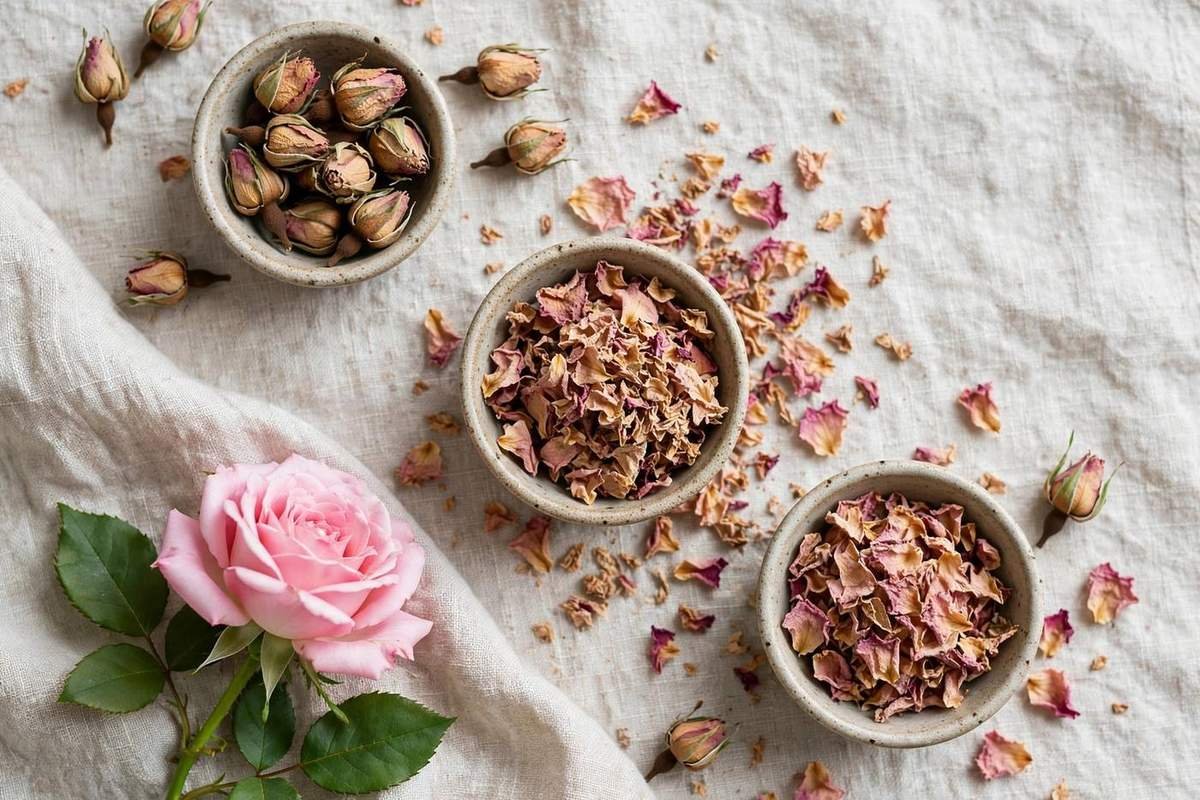
Rose tea is an aromatic herbal infusion made from the fragrant petals and buds of rose flowers — most often Rosa gallica, Rosa damascena, or Rosa rugosa (called Mei Gui Hua in traditional Chinese medicine). The rose family includes over 130 species, and while all roses are edible, some brew sweet and others bitter.
The mix-up to avoid: rose petal tea is not rosehip tea. Rosehips are the fruit of the rose plant and are famously high in vitamin C — but as Healthline points out, there is no evidence rose petal tea is high in vitamin C. Many “rose tea vitamin C” claims online are really about rosehips. Now you know more than most wellness blogs.
Also check the label: some “rose teas” are blends with regular caffeinated black or green tea. For a caffeine-free cup, choose 100% rose petal or bud tea.
8 Rose Tea Benefits Worth Knowing
1. Caffeine-free hydration that actually counts
Rose tea is mostly water — and that is a genuine benefit. Healthline notes that drinking a cup or two daily can meaningfully contribute to your fluid intake, which supports everything from energy to skin to fewer headaches. If plain water bores you, a fragrant pink cup is hydration you’ll actually look forward to.
2. Rich in polyphenol antioxidants
This is rose tea’s best-supported claim. It is rich in polyphenols including gallic acid (10–55% of its total phenol content), anthocyanins, kaempferol, and quercetin. A study of 12 rose cultivars found rose tea’s phenol content and antioxidant activity equal to or greater than green tea’s. Antioxidants help neutralize free radicals tied to aging and chronic disease — a solid, unsexy, real benefit.
3. May ease menstrual cramps (one intriguing study)
Here is the study worth knowing: researchers in Taiwan gave 130 teenage students 2 cups of rose tea daily for 12 days — starting one week before their period — across six menstrual cycles. Those who drank the tea reported less menstrual pain and better psychological well-being. The catch, per Healthline: it is only one study and needs confirmation. Still, for a gentle, drug-free option to try, the tradition (rose buds have long been used in Chinese medicine for menstrual pain) and the early data point the same way.
4. The aroma itself may calm you down
Some research suggests rose’s fragrance may reduce stress and anxiety — and honestly, the ritual does half the work. Inhaling the floral steam before your first sip is a tiny mindfulness moment. On high-tension evenings, pair a cup with our lavender tea guide — floral-on-floral is a surprisingly soothing combination.
5. A traditional digestive soother
Folk tradition uses rose tea for bloating and sluggish digestion after meals. Modern evidence is thin, but as a warm, caffeine-free, gently aromatic infusion, it is the kind of after-dinner cup that settles rather than stimulates. For heavier digestive support, see our chamomile and peppermint tea guides.
6. Antioxidants your skin will appreciate (gently)
Skin loves antioxidants and hydration — rose tea offers both. Keep expectations honest: no tea erases wrinkles, but a daily antioxidant-rich, hydrating ritual supports skin from within far better than a third coffee. Think of it as skincare’s quiet teammate, not its replacement.
7. A graceful wind-down for caffeine-sensitive evenings
Because pure rose tea has zero caffeine, it is a genuinely good evening drink — unlike “just one more” green tea at 8pm. If your anti-inflammatory routine keeps getting sabotaged by late-day caffeine, swapping in rose tea after lunch is a small change with outsized sleep benefits.
8. The honest caveat most articles bury
Here is what separates a trustworthy guide from a hype post: many dramatic rose claims (anti-cancer, liver protection, antibacterial superpowers) come from studies on potent rose extracts in test tubes or animals — not from brewed tea in humans. Healthline notes rose petal extracts show 30–50% greater antioxidant activity than the tea itself. Enjoy your cup for what it is — fragrant, hydrating, antioxidant-rich — and treat the miracle claims with a raised eyebrow.
How to Make Rose Tea (Hot + Iced)
Simple Rose Bud Tea
Prep: 2 min | Steep: 10–20 min | Servings: 1 cup
Ingredients:
- 1 tablespoon dried rose buds or petals (food-grade, pesticide-free)
- 1 cup freshly boiled water
- 1 teaspoon honey (optional)
Steps:
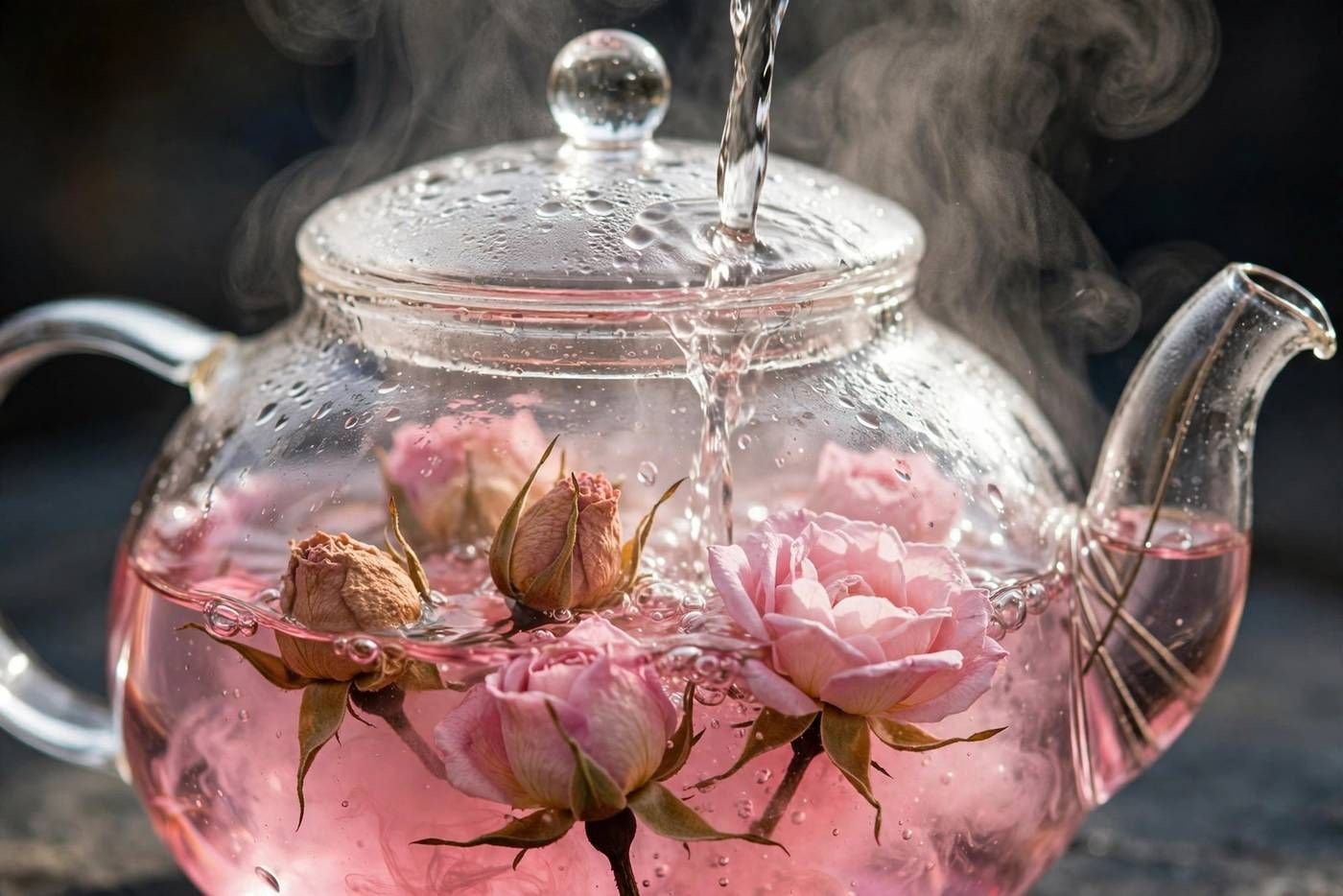
- Place the rose buds in a cup or teapot.
- Pour over freshly boiled water.
- Steep 10–20 minutes — longer gives a deeper pink color and fuller flavor.
- Strain and sweeten lightly with honey if you like.
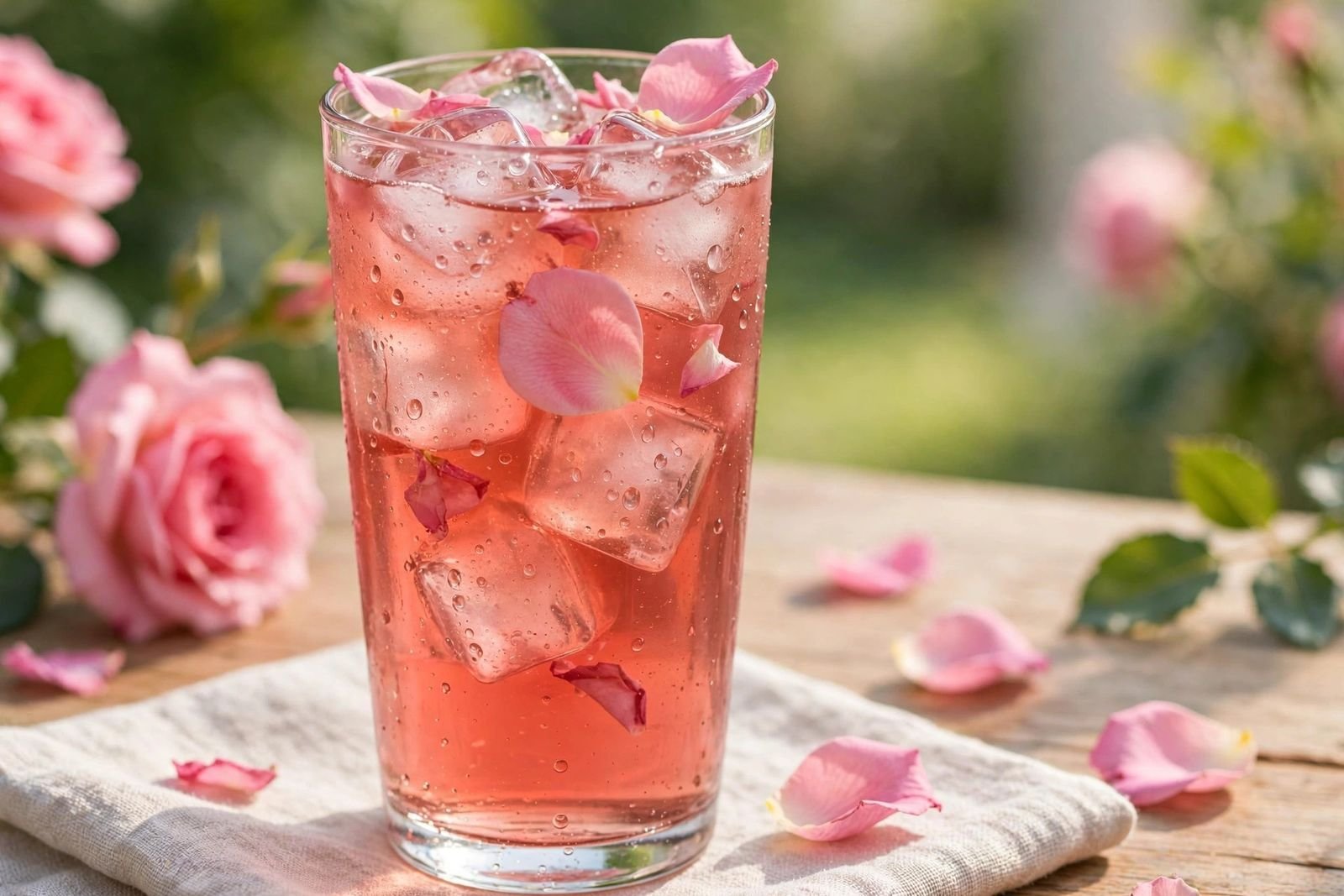
Iced version: Brew double-strength (2 tablespoons per cup), steep 15 minutes, strain over a tall glass of ice, and add a squeeze of lemon — the color deepens beautifully.
Important: Never brew roses from florists or garden centers — they are usually treated with pesticides. Use only food-grade dried buds, or fresh petals you grew yourself without sprays.
Rose Tea vs. Chamomile Tea: Which Floral Brew for Your Evening?
Both are caffeine-free floral classics, but their personalities differ. Chamomile is the cozy, apple-scented workhorse — milder flavor, deeper folk history for sleep, and usually cheaper. Rose tea is the elegant aromatic — more fragrant, prettier in the cup, with the stronger antioxidant research and that intriguing menstrual-comfort study. Choose chamomile when sleep is the mission; choose rose when you want an afternoon-to-evening ritual that feels like self-care. Or do what many tea lovers do: blend them half-and-half for a floral cup that covers both bases. Our chamomile tea for sleep guide has the bedtime routine to pair it with.
Safety First: Gentle, But Not Thoughtless
- Generally recognized as safe: the FDA lists several rose species (R. alba, R. centifolia, R. damascena, R. gallica) as safe in extracted form.
- Allergies: if you react to roses or related plants, sip cautiously the first time.
- Pesticides are the real risk — the tea itself is gentle; sprayed flowers are not. Source matters more than the recipe.
- Pregnancy: food-amount rose tea is generally considered fine, but medicinal-strength daily use deserves a quick check with your doctor.
- Moderation: 1–3 cups daily is the traditional range; more is not better.
For the evidence deep-dive, see Healthline’s rose tea benefits and uses and WebMD’s rose tea overview.
FAQs About Rose Tea
Does rose tea have caffeine?
Pure rose petal or bud tea is naturally caffeine-free. Check the label — blends with black or green tea do contain caffeine.
Is rose tea the same as rosehip tea?
No. Rosehip tea comes from the fruit and is rich in vitamin C; rose petal tea comes from the flowers and is prized for polyphenols and aroma. Different plant parts, different profiles.
Can rose tea help with period cramps?
One study of 130 students found less menstrual pain with 2 daily cups across six cycles — promising but preliminary. It is a gentle option worth trying, not a guaranteed fix.
Can I use fresh roses from my garden?
Yes, if they are grown without pesticides — about 2 cups of washed petals simmered in 3 cups of water for 5 minutes. Never use florist or nursery roses.
How many cups of rose tea per day?
One to three cups is the traditional, sensible range.
Love floral brews? Continue with our butterfly pea flower tea (the color-changing show-off), lavender tea, and tulsi tea guides.