
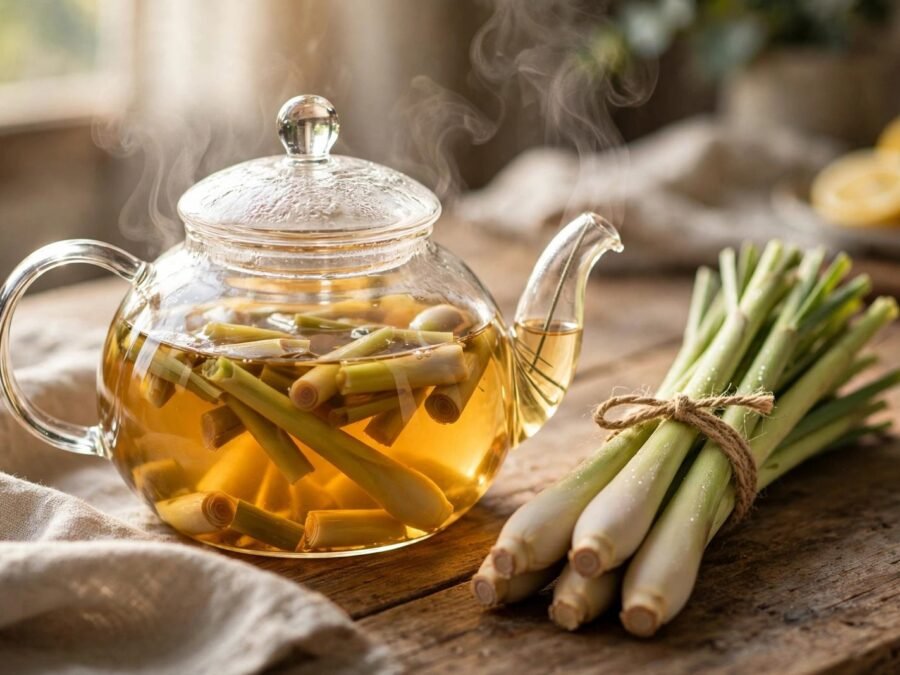
If you’ve ever caught a whiff of fresh lemongrass at an Asian market — that bright, citrusy aroma that smells like lemon but somehow cleaner — you already know half of what makes lemongrass tea special. The other half is what this humble stalk has done for centuries: soothing stomachs, calming restless evenings, and earning a beloved spot in folk remedy traditions across Southeast Asia and beyond. Here are the real lemongrass tea benefits, what early research says, and how to brew a perfect cup.
What Is Lemongrass Tea (and What Does It Taste Like)?
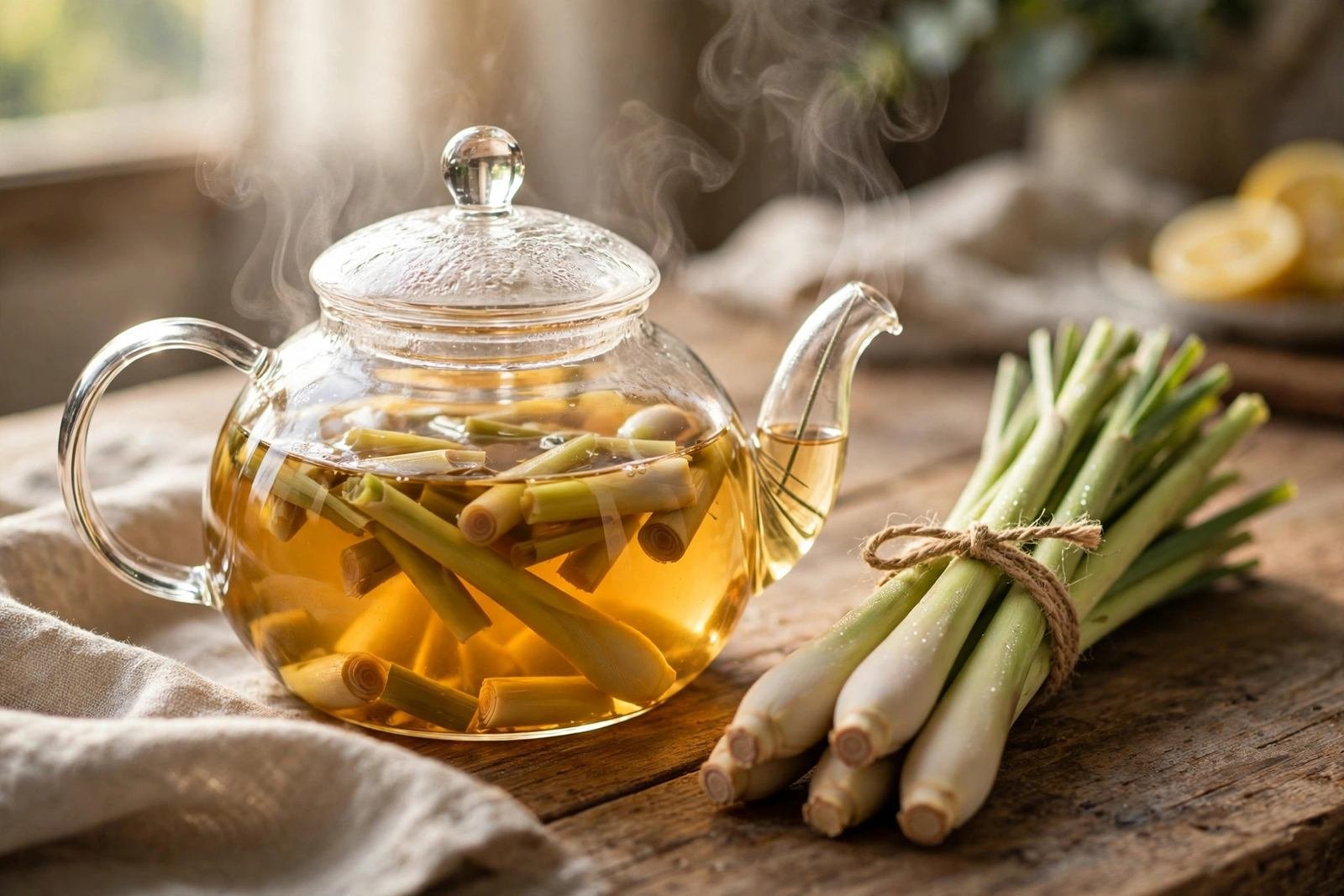
Lemongrass tea is a simple herbal infusion made by steeping the stalks or dried leaves of the lemongrass plant in hot water. Unlike black or green tea, it is naturally caffeine-free — no jitters, no lost sleep. Expect a fresh, lightly citrusy flavor: like lemon, but softer. Its signature aroma comes mainly from citral, a natural compound also found in lemon peel. Easy to drink plain, and lovely with honey, ginger, or mint.
What’s Inside a Cup: Nutrition Basics
Lemongrass tea is not a nutritional powerhouse — and that’s fine. It offers a warm, hydrating, nearly calorie-free drink with small amounts of antioxidants (chlorogenic acid, isoorientin) plus trace minerals like iron, calcium, and potassium. Think of it as a comforting daily ritual, not a supplement. For another fragrant option, our guide to tulsi tea benefits is worth a read.
9 Gentle Lemongrass Tea Benefits Worth Knowing
An honest framing first: most lemongrass research is early-stage — done on essential oils, animals, or small human groups. Below is how it’s traditionally used plus what early research suggests. Nothing here treats or cures any condition.
1. May Soothe the Stomach and Ease Digestion
This is lemongrass tea’s most traditional use: a warm cup after a heavy meal. Across Thai, Indian, and Caribbean folk traditions, it has long been sipped to ease bloating, cramping, and stomach discomfort. A 2012 animal study suggested it may protect the stomach lining — far from proof in humans. If digestion is a focus for you, ajwain water for digestion is another time-tested option.
2. Carries Natural Antioxidants
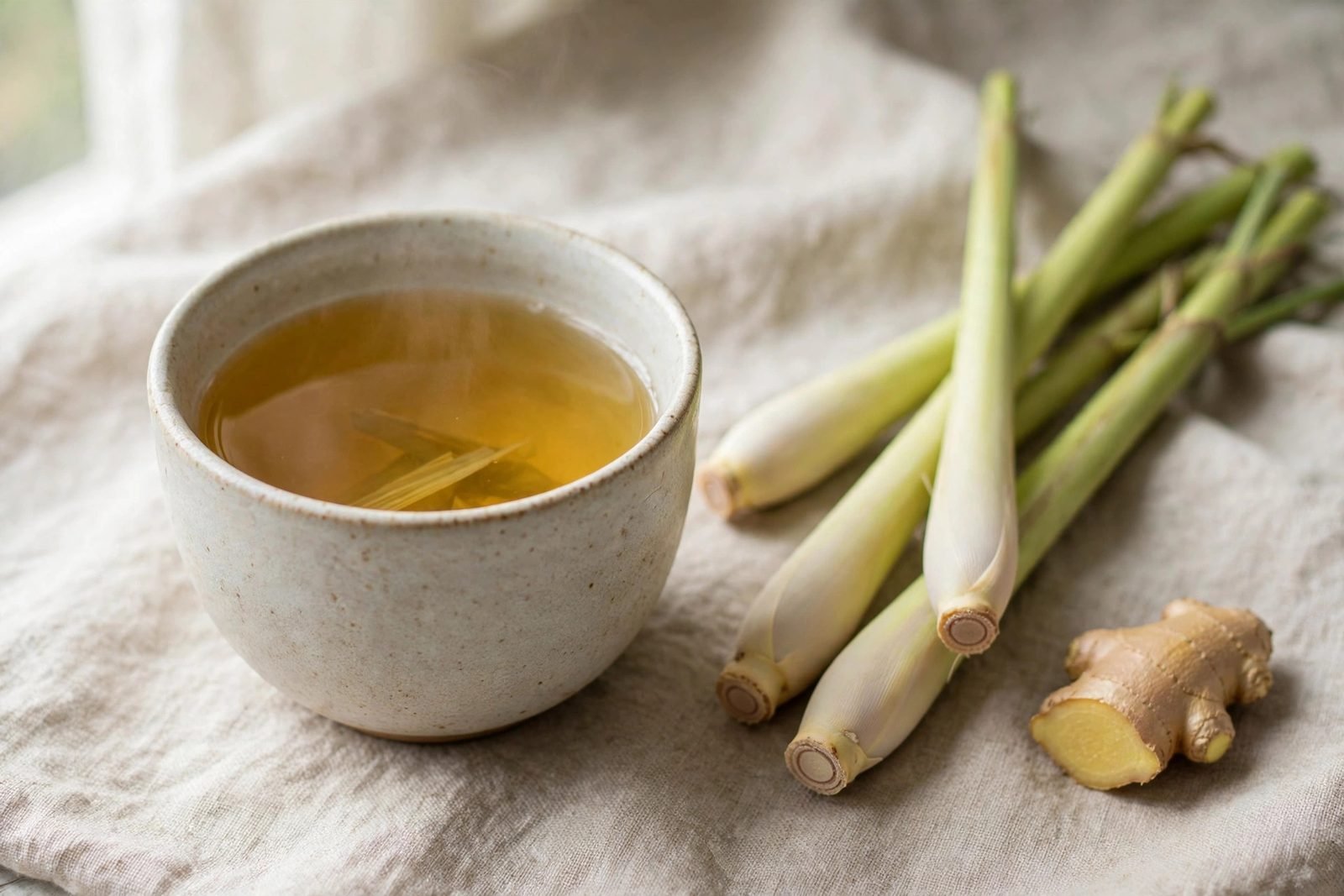
Lemongrass contains antioxidant compounds — including chlorogenic acid, isoorientin, and swertiajaponin — that early laboratory research links to protecting cells from oxidative stress. It’s one reason herbal teas are staples of healthy eating patterns. Pairing your cup with an anti-inflammatory breakfast is a simple way to build more plant compounds into your day.
3. Traditionally Used for Everyday Aches
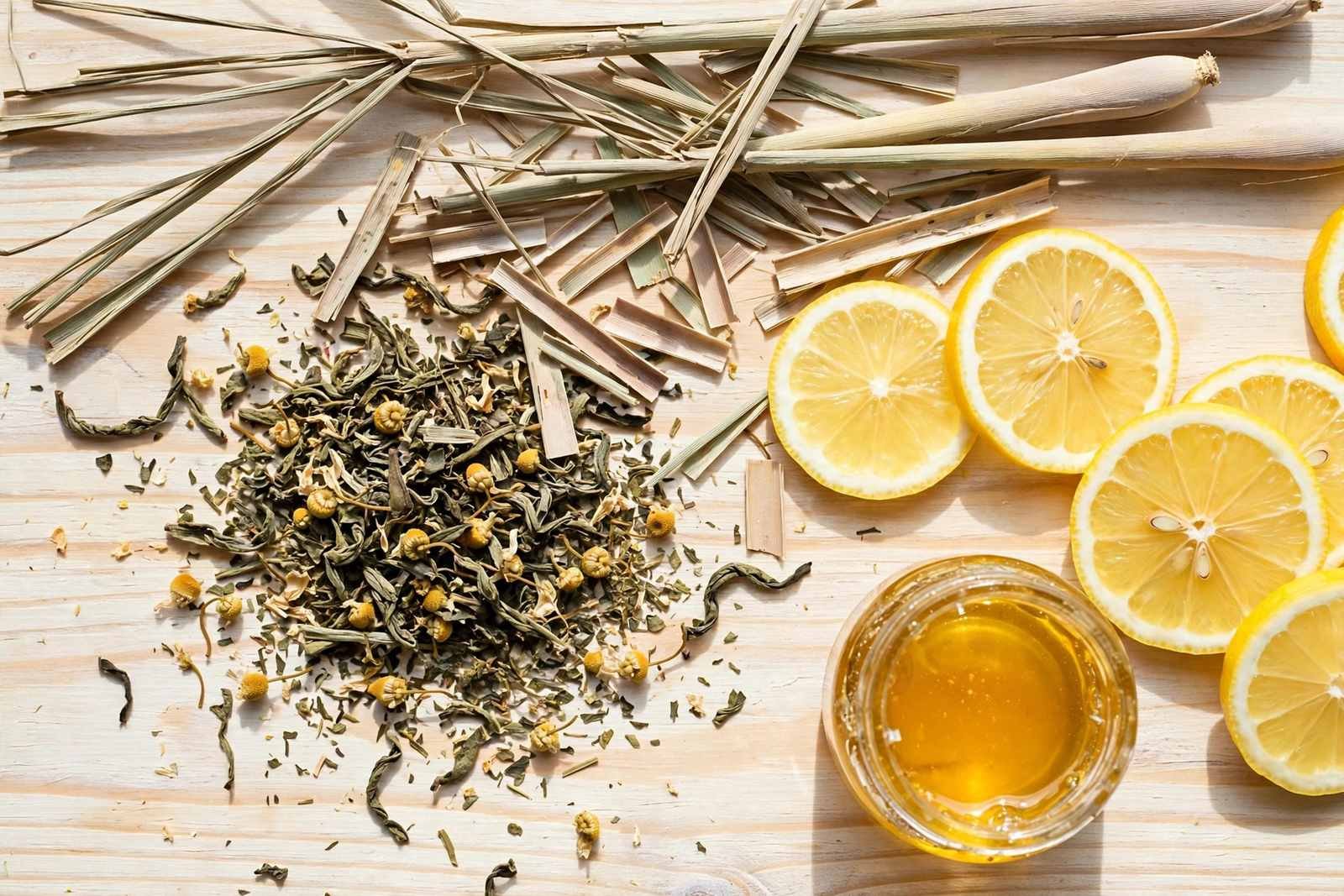
In folk medicine, lemongrass has been used for everyday aches, from sore muscles to tension headaches. Lab studies suggest some compounds may influence inflammation pathways — but human evidence is thin. Treat this as tradition plus early science, not a substitute for proper care.
4. May Support Healthy Cholesterol Levels
Early findings are intriguing: a lab study found lemongrass extracts appeared to reduce cholesterol absorption in the gut, and an animal study found the extract lowered total cholesterol in rats. Researchers stress these need confirmation in humans. Enjoy the tea as part of a healthy diet — and keep your doctor in the loop.
5. May Gently Lower Blood Pressure
A small study with 72 male volunteers found lemongrass tea drinkers saw a moderate drop in systolic blood pressure along with a slower heart rate, versus green tea drinkers. A 2021 review also found blood-pressure-lowering effects — while cautioning that people with heart conditions should use it in moderation.
6. Acts as a Mild Natural Diuretic
Lemongrass is a mild natural diuretic in traditional herbal practice — it may make you urinate a little more often, helping the body release excess fluid and sodium. A study of around 100 men and women found lemongrass tea increased urine output more than other beverages. This is the basis of its “detox” reputation, though your liver and kidneys handle real detoxification on their own.
7. May Help You Unwind and Sleep Better
As a warm, caffeine-free evening drink, lemongrass tea fits naturally into a wind-down routine. Folk tradition has long used it to promote calm and better sleep, and its clean citrus aroma is genuinely relaxing. If sleep is your main goal, chamomile tea for sleep is another gentle option.
8. Antimicrobial and Immune-Supporting Potential
Laboratory studies have found lemongrass essential oil shows antibacterial and antifungal activity in test-tube settings — lab findings, not proof a cup of tea fights infections, but they help explain lemongrass’s long history as a folk remedy for colds and general wellness. For a stronger immune-support brew, our clove tea benefits guide pairs well here.
9. A Comforting Sip for Nausea and Cramps
Traditionally sipped for nausea and for menstrual cramps and bloating — though evidence is limited. If you’re pregnant, note the caution below: talk to your doctor first.
How to Make Lemongrass Tea (Simple Recipe)
Two minutes of active work is all it takes. Here’s the method, plus two easy variations.

Ingredients (makes 2 cups)
- 2 fresh lemongrass stalks (or 2 tablespoons dried lemongrass)
- 3 cups water
- 1–2 teaspoons honey or a slice of lemon (optional)
Steps
- Trim the root end and dry tops; peel the tough outer layer, then bruise the stalks by smashing lightly with the back of a knife to release the aromatic oils.
- Slice into 2-inch pieces and add to a saucepan with the water.
- Bring to a gentle boil, then simmer 5 minutes. (Prep ~5 min; simmer 5 min.)
- Turn off the heat, cover, and steep 3–5 minutes more for deeper flavor.
- Strain into cups; add honey or lemon if you like. Makes 2 cups.
Two Easy Variations
- Iced: brew as above, cool, then pour over ice with mint and a squeeze of lime.
- Ginger-honey: add a 1-inch piece of sliced fresh ginger to the simmer — warming and extra-soothing.
How Much to Drink, and When?
There’s no official recommended dose — not enough research exists to set one. A sensible approach: start with one cup a day, and work up to two or three cups if you tolerate it well. Evening is ideal (caffeine-free and calming), and many people enjoy a cup after meals. Don’t drink it exclusively — keep variety with water and other unsweetened drinks.
Side Effects and Safety
Lemongrass tea is generally considered safe in the amounts typically used for brewing. Possible side effects, reported mainly with larger amounts, include dizziness, dry mouth, increased urination, tiredness, rash, and rapid heart rate. Key cautions:
- Pregnancy and breastfeeding: traditionally said to stimulate menstrual flow, and safety data is thin — avoid it or check with a doctor first.
- Medications: it may lower blood pressure and act as a diuretic, so it could interact with blood pressure or diuretic drugs. Never use it in place of prescribed medication.
- Allergies: sensitive to grasses or herbal teas? Start with a small amount.
Frequently Asked Questions
Does lemongrass tea help with weight loss?
Honestly: there’s no solid scientific evidence it causes meaningful weight loss. Its mild diuretic effect may cause a temporary scale drop from water loss — not fat loss. Where it can help is as a swap: replacing sugary sodas with plain lemongrass tea cuts calories.
Does lemongrass tea have caffeine?
No — it’s a true herbal infusion with zero caffeine, which is why it works so well as an evening drink.
Fresh or dried lemongrass — which is better?
Fresh stalks give the brightest flavor. Dried lemongrass is more convenient and still makes a pleasant cup — use about a tablespoon per cup and steep a minute or two longer.
The Bottom Line
Lemongrass tea benefits rest on a mix of long folk tradition and promising early research: stomach comfort, antioxidant plant compounds, a mild diuretic effect, and a calming caffeine-free ritual. It won’t cure anything, but as a daily cup it earns its place. Brew it fresh, sip it slow — and if you’re managing a health condition or taking medication, a quick chat with your doctor keeps everything safe.
For a solid further read, see Healthline’s overview of lemongrass tea benefits and side effects, and our ginger lemon water benefits guide for another citrusy morning drink.
1 Comment