

Does ACV Water Before Meals Actually Work? 7 Honest Answers
Drinking apple cider vinegar water before meals is one of the most popular wellness habits on the internet — and one of the most misunderstood. Supporters say a small glass taken before eating may help steady blood sugar, calm appetite, and support digestion. Skeptics call it flavored water with a good marketing team.
So what does the research actually say? This guide walks through the honest evidence on apple cider vinegar water before meals, how to make it safely, the dose studies used, and who should skip it. No miracle claims — just what small human studies have found so far.

1. How to Make ACV Water the Safe Way
The single most important rule: never drink apple cider vinegar straight. It is highly acidic and can damage tooth enamel and irritate the throat and stomach when undiluted. The standard preparation used in most studies and recommended by clinicians is simple:

Apple Cider Vinegar Water (Basic Recipe)
Ingredients
- 1 tablespoon (15 ml) raw, unfiltered apple cider vinegar (“with the mother”)
- 1 large glass of water (about 250–350 ml / 8–12 oz)
- Optional: a teaspoon of honey or a squeeze of lemon to soften the taste
Instructions
- Start small. If you are new to it, begin with 1 teaspoon in a large glass of water, and work up to 1 tablespoon over a week or two.
- Dilute first, always. Add the vinegar to the full glass of water and stir well before drinking. Never take an undiluted “shot.”
- Use a straw if you like. Sipping through a straw limits how much acid touches your teeth.
- Rinse with plain water afterward. A quick swish of plain water helps wash acid off your enamel.
- Wait at least 30 minutes before brushing your teeth. Brushing softened enamel right after an acidic drink can wear it faster.
Stick to 1–2 tablespoons per day total, the range most studies and clinician guides describe as the usual upper end.
2. Why “Before Meals” — The Timing Question
Most research supports drinking diluted apple cider vinegar about 15–30 minutes before a meal, especially a carb-rich one. The reasoning is mechanical: acetic acid — the active compound in all vinegar — appears to slow how quickly the stomach empties and to blunt the rise in blood sugar that follows eating. It works best when it is already in the stomach as food arrives.
An honest point worth knowing: the evidence is about vinegar and acetic acid, not anything unique to apples. Other vinegars show similar effects in studies. Apple cider vinegar just happens to be the tastiest and most studied vehicle for it.

3. Blood Sugar: Where the Strongest Evidence Is
Blood sugar response is the best-studied angle of apple cider vinegar water before meals, and the findings — while from small studies — are consistent enough to take seriously:
- In a 2004 study published in Diabetes Care, vinegar taken with a high-carbohydrate meal improved insulin sensitivity in adults with insulin resistance or type 2 diabetes, and lowered post-meal blood sugar and insulin responses. (Johnston, Kim & Buller, 2004 — summarized in a 2026 peer-reviewed review of vinegar research in Nutrients.)
- In a small study of 5 healthy people, vinegar reduced blood sugar by 31.4% after eating 50 grams of white bread.
- A 2005 trial found vinegar with a bread meal lowered glucose and insulin responses and increased feelings of fullness afterward. (Östman et al., 2005.)
- In people with type 2 diabetes, 2 tablespoons of apple cider vinegar at bedtime reduced fasting blood sugar by 4% the following morning. (White & Johnston, 2007.)
- A Greek trial in type 2 diabetes patients found vinegar reduced after-meal blood sugar when added to a high-glycemic-index meal — but had little effect with a low-glycemic meal. (Liatis et al., 2010.)
Important context: these were small, short-term studies. They suggest vinegar may help blunt blood sugar spikes — not that it treats or reverses diabetes. The National Center for Complementary and Integrative Health (NCCIH) stresses that people should not replace medical treatment with unproven health products, and anyone on blood-sugar-lowering medication should talk to their doctor before making vinegar a daily habit, because the combination can raise the risk of low blood sugar.
4. Appetite and Weight: Modest, Not Magical
Several small studies suggest vinegar can increase fullness. In the Östman 2005 trial above, people who took vinegar with a high-carb meal reported stronger satiety and ate 200–275 fewer calories over the rest of the day. A 12-week study in 175 adults with obesity found that 1 tablespoon of apple cider vinegar daily led to an average loss of about 2.6 pounds (1.2 kg) and a small reduction in belly fat, compared with placebo.
That is real but modest — roughly what you would expect from any habit that slightly trims daily intake, not a transformation. ACV water before meals may help you eat a little less at the meal itself; it will not compensate for the rest of the diet. Think of it as a supporting habit, not a shortcut.
5. Digestion: Honest About What It Can and Can’t Do
Apple cider vinegar does not add digestive enzymes to your stomach, despite what some wellness blogs claim. What it may do is slow gastric emptying — the same mechanism behind the blood-sugar effect — which can make a heavy meal feel less like a sudden flood.
But there is a flip side: for people whose stomachs already empty slowly (a condition called gastroparesis, common in long-standing diabetes), vinegar can make things worse — more nausea, more bloating. A pilot study in type 1 diabetes patients found vinegar further delayed stomach emptying. People with GERD or stomach ulcers should also be cautious, since extra acid can irritate an already sensitive lining.
If you are exploring gentler digestion helpers, our guides on ajwain water for digestion and fennel seeds water cover options with milder acidity.
6. What It Won’t Do (Myths to Drop)
- It won’t “alkalize” your body. Blood pH is tightly regulated by your lungs and kidneys; food and drinks don’t change it.
- It won’t detox anything. Your liver and kidneys handle detoxification, and vinegar doesn’t speed them up.
- It won’t melt fat. The weight studies show small effects tied to appetite, not fat-burning.
- It doesn’t replace diabetes medication, statins, or blood-pressure drugs. As noted above, this is the NCCIH’s explicit caution.
- More isn’t better. Doses above 2 tablespoons a day raise the risk of digestive irritation, throat burning, and lowered potassium — without evidence of extra benefit.
7. Safety: Who Should Be Careful or Skip It
For most healthy adults, a well-diluted glass is a low-risk habit. But several groups should check with a clinician first or skip it:
- People on diabetes medications (especially insulin or sulfonylureas): vinegar may add to the blood-sugar-lowering effect and cause hypoglycemia.
- People on diuretics or digoxin: vinegar has been linked to lowered potassium levels, which matters for heart rhythm when these drugs are involved.
- People with GERD, ulcers, or gastroparesis: extra acid and slower emptying can worsen symptoms.
- People with chronic kidney disease: impaired kidneys handle acid load poorly.
- Pregnant or breastfeeding women: vinegar is an everyday food and small culinary amounts are normal, but there is little research on daily therapeutic doses — check with your doctor first.
- Children and teens: no established safe dose; not recommended as a routine.
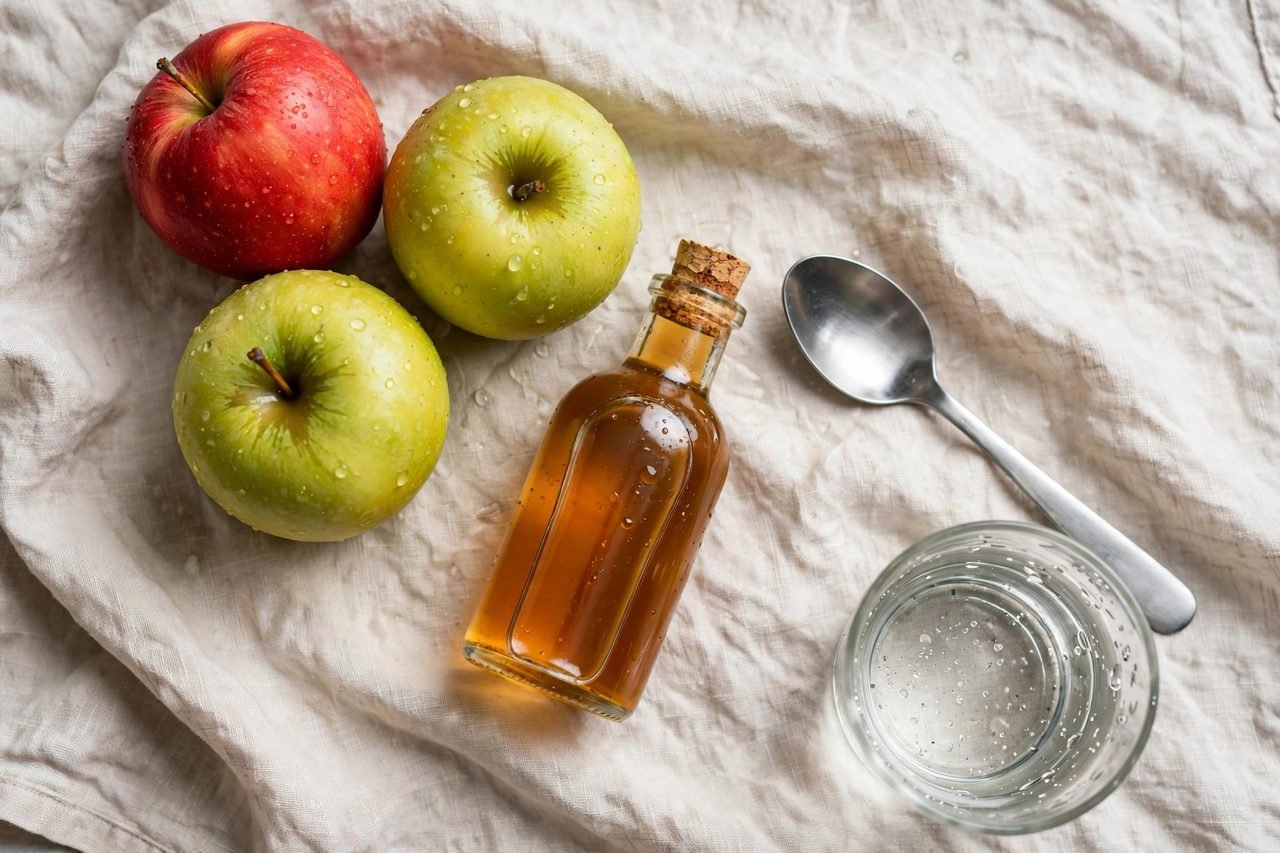
Also worth a note on tooth enamel: this is the most common real-world side effect. Always dilute, consider a straw, rinse with plain water after, and don’t brush for at least 30 minutes. If you already have sensitive teeth or erosion, talk to your dentist first.
The Bottom Line
Drinking apple cider vinegar water before meals is a reasonable, low-cost habit with modest evidence behind it: small studies suggest it may blunt blood-sugar spikes after carb-rich meals and take the edge off appetite. It is not a treatment for diabetes, a detox, or a weight-loss shortcut — and it needs to be diluted, dosed sensibly (1–2 tablespoons a day), and skipped by people on certain medications or with acid-sensitive stomachs.
If you try it, give it 2–3 weeks, start with a teaspoon, and pay attention to how your stomach and teeth feel. And if blood sugar is the goal, pair the habit with the bigger levers — fiber-rich meals, walking after eating, and sleep. You can explore more gentle pre-meal and morning drinks in our guides to lemon water every morning, warm lemon water vs ginger lemon water, and cinnamon tea for blood sugar.
Frequently Asked Questions
Should I drink apple cider vinegar water before or after meals?
Before — most studies gave it 15–30 minutes before eating, especially before carb-rich meals. Drinking it after a meal hasn’t been studied the same way, and taking it on a full stomach doesn’t match the research.
How much apple cider vinegar should I put in water?
Start with 1 teaspoon in a large glass of water. Most people work up to 1 tablespoon (15 ml); 2 tablespoons a day is the commonly cited upper end. Never drink it undiluted.
Is apple cider vinegar water safe every day?
For most healthy adults, a well-diluted daily glass appears low risk. The main long-term concern is tooth enamel erosion, so dilution, a straw, and rinsing matter. Check with a doctor if you take diabetes, heart, or diuretic medications.
Can apple cider vinegar lower blood sugar?
Small studies suggest it may blunt the blood-sugar rise after carb-rich meals, but it doesn’t treat diabetes and shouldn’t replace medication or diet changes. People on blood-sugar-lowering drugs should talk to their doctor first.