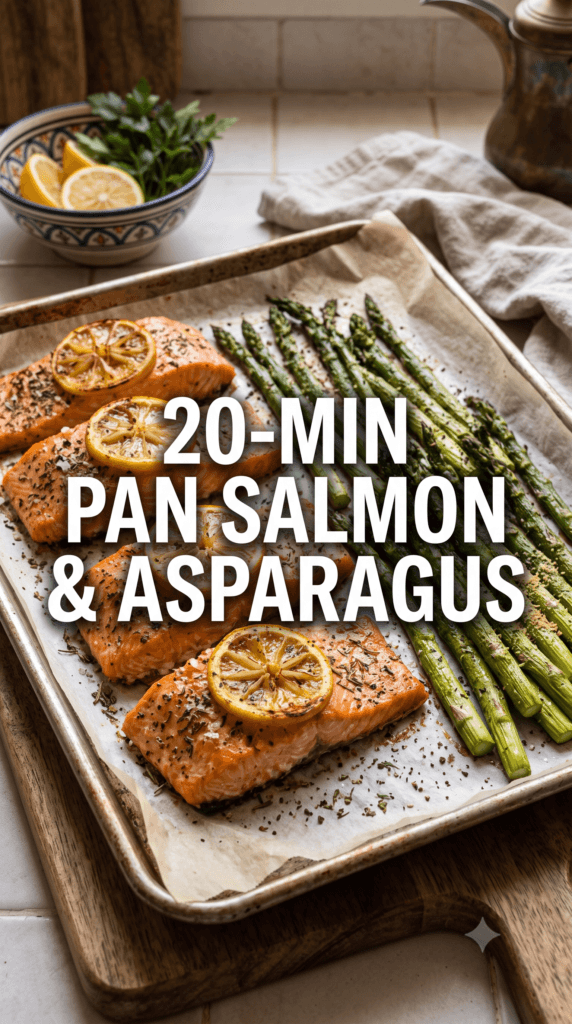
End your day with a delicious and healing meal! This easy 20-minute anti-inflammatory salmon recipe is cooked on a single sheet pan, making cleanup a breeze while giving your body the ultimate Omega-3 boost to fight joint pain.
This easy 20-minute sheet pan anti-inflammatory salmon and asparagus recipe is designed for busy evenings — and it is one of our favorite anti-inflammatory dinner recipes. It requires minimal cleanup (just one pan!), tastes incredible, and is packed with joint-healing Omega-3 fats and antioxidants. Dinner is ready in just 20 minutes!
Why You Need This Anti-Inflammatory Salmon Recipe
When it comes to reducing natural joint pain and stiffness, wild-caught salmon is one of the single best foods you can eat. It is incredibly rich in Omega-3 fatty acids, specifically EPA and DHA.
These healthy fats act as potent natural anti-inflammatory agents by directly inhibiting the production of inflammatory molecules in your body. Regular consumption of salmon can significantly reduce morning stiffness and improve joint mobility.
The Benefits of Asparagus and Lemons
This recipe pairs the Omega-3s in salmon with vibrant green asparagus. Asparagus is a powerful anti-inflammatory vegetable that is high in glutathione, an antioxidant that helps your body detoxify and fight oxidative stress.
We complete the meal with lemons, which are rich in Vitamin C. Vitamin C is essential for collagen synthesis, which keeps your joints and cartilage strong and healthy.
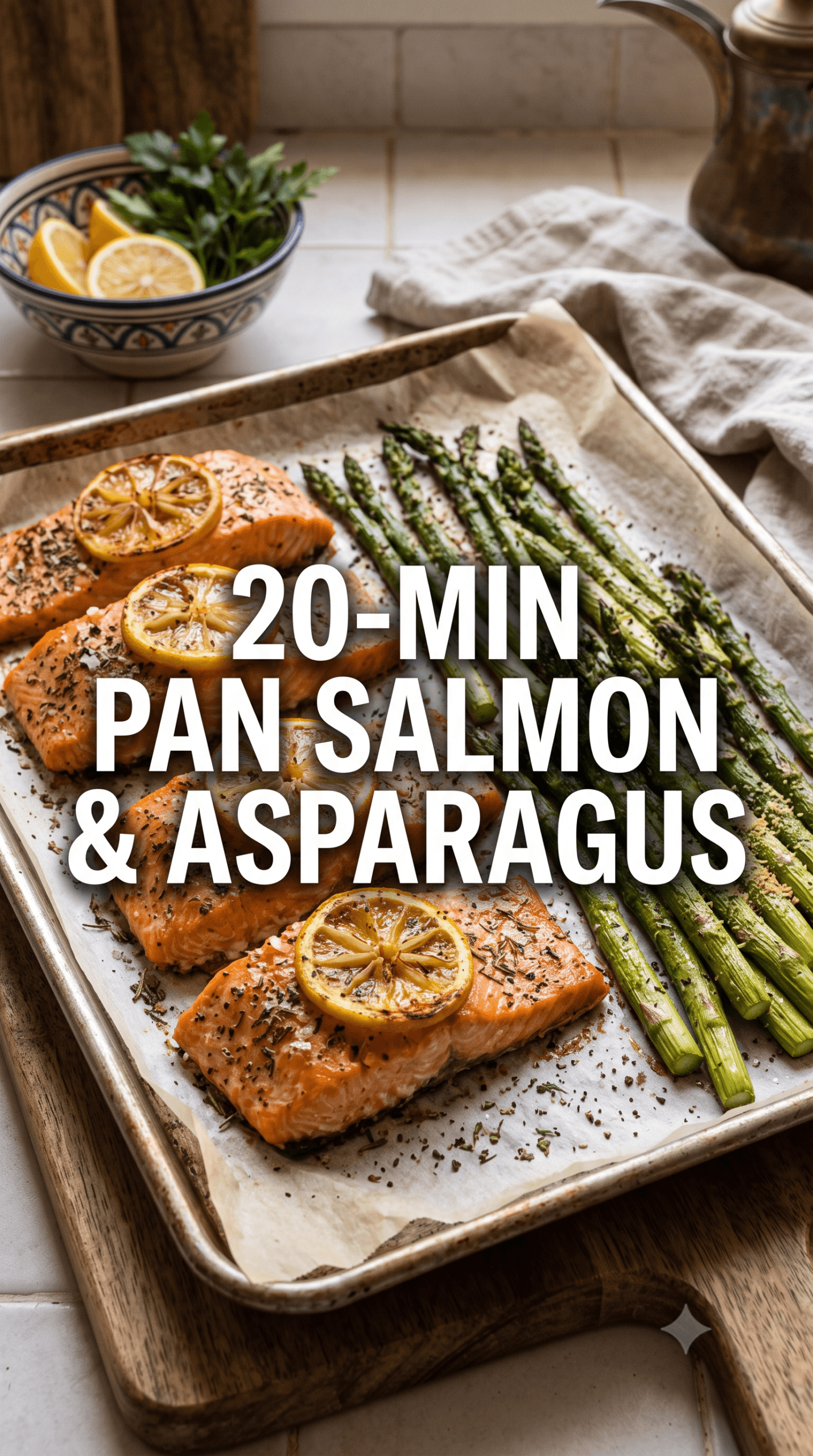
How to Make the Sheet Pan Salmon & Asparagus Dinner
Ingredients
Method
- Prep the Oven: Preheat your oven to 400°F (200°C) and line a large baking sheet with parchment paper for easy cleanup.Season the Veggies: Place the asparagus on one side of the prepared baking sheet. Drizzle with 1 tablespoon of olive oil, salt, pepper, and garlic powder. Toss to coat evenly.Prepare the Salmon: Place the salmon fillets on the other side of the pan. Drizzle the remaining 1 tablespoon of olive oil over the salmon. Season with salt, pepper, and dried oregano. Top each fillet with 2-3 lemon slices.Bake: Place the sheet pan in the oven and bake for 12-15 minutes, or until the salmon flakes easily with a fork and the asparagus is tender-crisp.Serve: Squeeze the roasted lemon slices over the whole dish before serving for an extra burst of fresh, inflammatory-fighting flavor!
Make sure you always have healing ingredients on hand by downloading our Free Anti-Inflammatory Grocery List.
You can learn more about the powerful omega-3 benefits of salmon on Healthline.
How to Pick Salmon for This Recipe
Wild-caught salmon is the best choice when you can find it, but good farmed salmon works fine too. Look for fillets that are bright, firm and smell like the sea — not fishy. Skin-on fillets hold together better on a sheet pan and keep the flesh moist; if you prefer skinless, reduce the bake time by a minute or two. Two 6-ounce fillets are about right for this recipe, and the same seasoning works for cod or trout if salmon is not available.
What to Serve With It
The salmon and asparagus are a complete light dinner on their own. If you want something heartier, try one of our high-protein anti-inflammatory meals, or add a scoop of quinoa, a small baked sweet potato or a slice of crusty bread to soak up the lemony pan juices. A simple side of golden chicken soup the next day keeps the same anti-inflammatory theme going.
Storage and Leftovers
Store leftover salmon in an airtight container in the fridge for up to 2 days. Reheat gently — a low oven or a covered pan on low heat — so it does not dry out. The asparagus is best eaten the same day; it softens on reheating. Leftover salmon also works cold, flaked over a roasted chickpea salad the next day.
Frequently Asked Questions
Can I use frozen salmon?
Yes. Thaw it fully in the fridge overnight, then pat it very dry before seasoning — wet fish steams instead of roasting and will not brown.
How do I know when the salmon is done?
It should flake easily with a fork and be just opaque in the center. If you use a thermometer, look for about 125–130°F (52–54°C) in the thickest part for a moist result.
Can I make this without asparagus?
Yes. Green beans, broccoli florets or zucchini half-moons roast the same way. Cut them to a similar size so everything finishes together.
Is this recipe good for joint pain?
It is built around salmon, which is rich in omega-3 fats (EPA and DHA) that are part of anti-inflammatory eating patterns. It is a healthy dinner, not a treatment — think of it as one good habit among many — and one of the easiest anti-inflammatory dinner recipes to keep in rotation.